REVIEW · LIMA
Peruvian Cooking Class Flavors and Traditions
Book on Viator →Operated by Lala Peru Travel · Bookable on Viator
Cook ceviche, then sip Peru’s classic cocktail. In this Lima class, you choose your own starter and main, get the dish stories as you work, and follow instructions in English in a small kitchen space. I love the speed of the setup, and I like that you are not just watching.
The chicha morada lesson (purple corn drink) and the pisco sour moment are a big part of why I’d do this again. Owners Piero and his wife teach with clear, practical steps, and the session builds in a shared meal plus a dessert of exotic fruits from different parts of Peru.
One heads-up: the pisco sour step is for guests over 21, while under 21 are served non-alcoholic drinks, so plan your expectations accordingly.
In This Review
- Key Highlights You’ll Feel in the Kitchen
- Why This Lima Cooking Class Works for Beginners and Food Lovers
- Av. Ricardo Palma Arrival: The 3-Hour Flow You Can Actually Plan
- Starter Setup: Cause of Lime, Chicha Morada, and Your Own Plating
- Main Course Hands-On: Fish Ceviche the Traditional Way
- Dessert: Exotic Fruit Tasting from Different Regions
- Pisco Sour for 21+: The Flag-Liquor Story and the Taste Test
- What You’re Really Paying For at $70
- Who This Cooking Class Is Best For
- Should You Book This Lima Cooking Class?
- FAQ
- Where does the experience start in Lima?
- How long is the cooking class?
- What time does it run?
- Is the class offered in English?
- Is this class suitable for beginners?
- What is the maximum group size?
- Are alcoholic beverages included, and is there an age requirement?
- Are service animals allowed, and do I get a mobile ticket?
Key Highlights You’ll Feel in the Kitchen
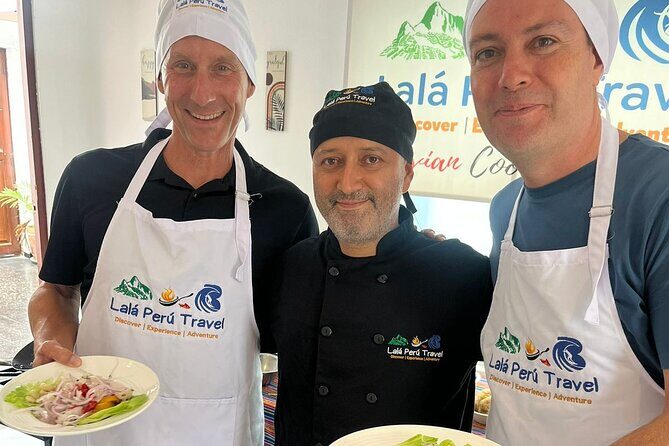
- Small group, real attention: max 10 people with English instruction.
- Pick your dishes: choose the entrance and main course you’ll cook.
- Chicha morada + traditional fried corn: starter prep includes a purple corn drink lesson and a traditional fried corn element.
- Fish ceviche, traditional style: you prep and finish your main, then clean up with the group.
- Dessert isn’t an afterthought: you taste exotic fruits from different regions.
- Pisco sour for 21+: you prepare and taste it, plus hear the story behind the flag liquor.
Why This Lima Cooking Class Works for Beginners and Food Lovers
This is the kind of cooking class that moves at a human pace. You start by choosing what you want to cook (a starter/entrance and a main course), then jump right into the ingredients and steps. If you’re a beginner, the structure helps you keep up. If you already cook, you’ll still enjoy learning how these dishes are put together in a home-style, practical way.
What I really like is that they treat each dish as more than a recipe. You hear a little history while you work, so the food connects to place and culture, not just instructions. You also get to decorate your starter and make it feel like yours, which matters when you are spending a couple of hours actively cooking.
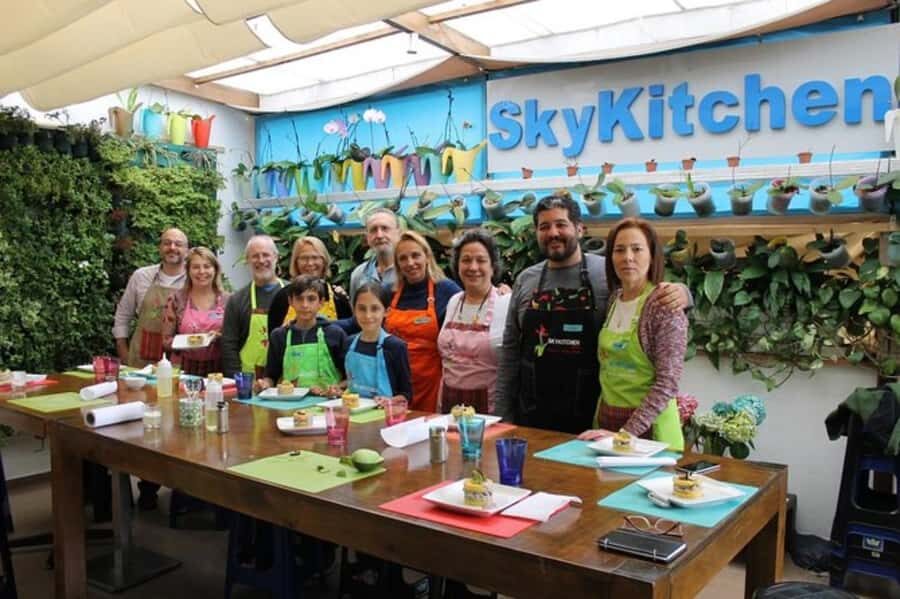
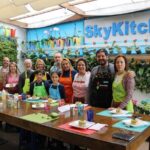
Finally, the class setting is designed for interaction. With a group size capped at 10, it feels like you can ask questions without shouting over a crowd.
Other Lima food tours we've reviewed in Lima
Av. Ricardo Palma Arrival: The 3-Hour Flow You Can Actually Plan
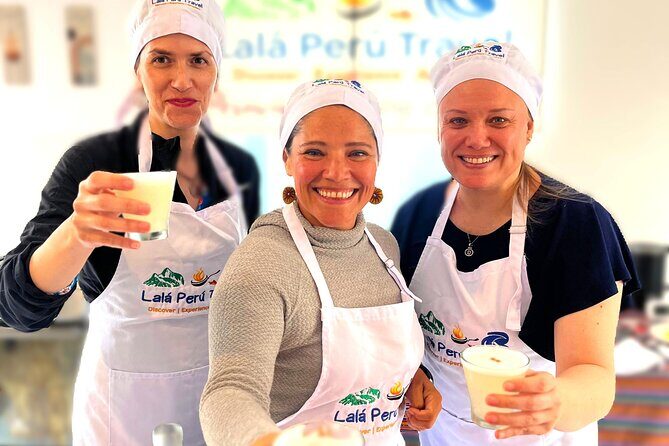
The session runs for about 3 hours and takes place in Lima near public transportation. The meeting point is Av. Ricardo Palma 642, Lima 15047, Peru, and the activity ends back at the same place. That makes the logistics easy: you don’t need a second ride to get home after you’re done eating.
Timing-wise, the class operates daily from 12:00 PM to 3:00 PM (Monday through Sunday) across the listed date range. A midday slot is a smart choice if you want food you cooked immediately, not something later that day.
They use a mobile ticket, and you’ll receive confirmation at booking time. It’s a small detail, but it reduces the usual pre-trip stress. You show up, get your apron, and get cooking.
Starter Setup: Cause of Lime, Chicha Morada, and Your Own Plating
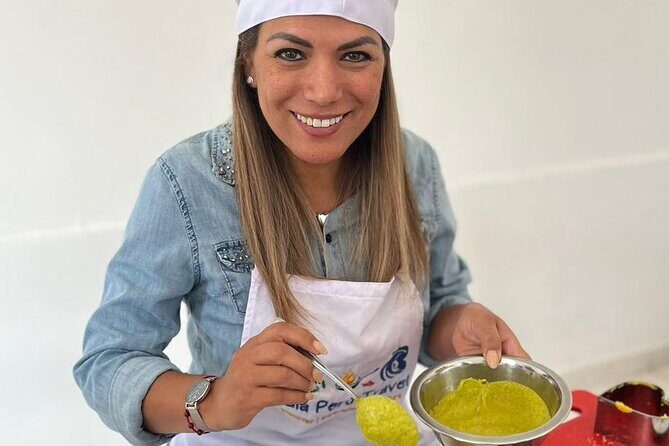
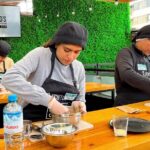
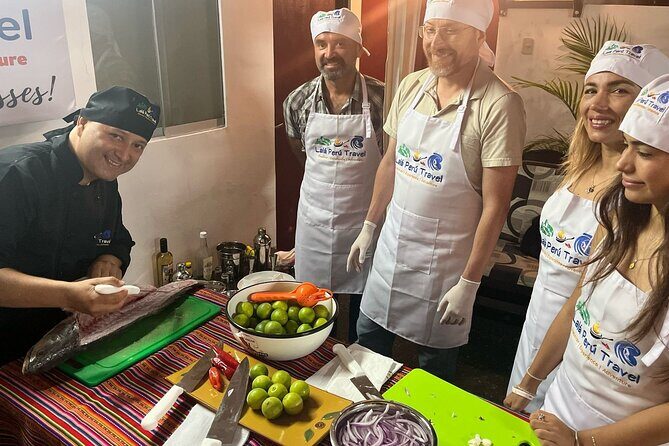
Your starter path starts with choice. First you pick your space, put on a kitchen apron, and begin preparing the entrance/course ingredients with guidance. As you work, they share short dish background so you understand what you are making while you are still focused on the steps.
A common example menu for the starter is Cause of lime, often described as a typical potato dish that can be made in different versions, including options that can include chicken, fish, or a vegetarian version with quinoa. Even if you end up choosing something else, the class format is similar: you handle ingredients, learn why they’re used, and put the dish together before moving on.
Then comes one of the most memorable parts: chicha, explained as their purple corn drink. You get a lesson on the drink as prepared for the class, not just a quick mention. If you like food that tells you where it came from, this is exactly that.
You’ll also work with a traditional fried corn element tied to the starter process (the class language describes it as traditional, fried corn/court). After the prep, you assemble the entrance and decorate it to your liking, which turns plating into a mini creative moment instead of a final chore.
Practical tip: show up ready to focus. A starter moves fast once you are chopping, assembling, and decorating.
Main Course Hands-On: Fish Ceviche the Traditional Way
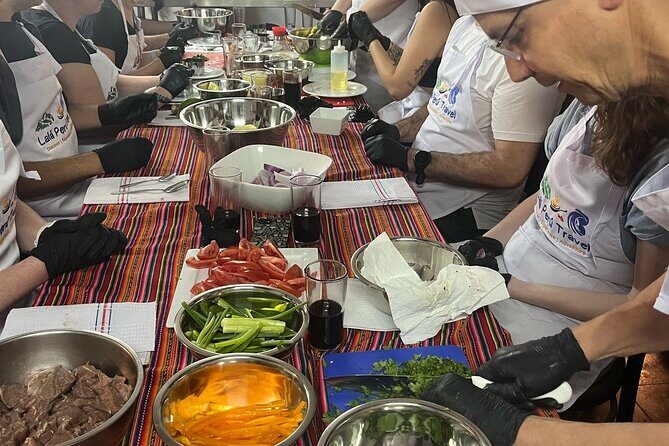
After the starter, you switch gears to the main course. The class has you choose your main, pick ingredients, and then start cooking as directed. The key is that you’re doing the work, not just tasting along the way.
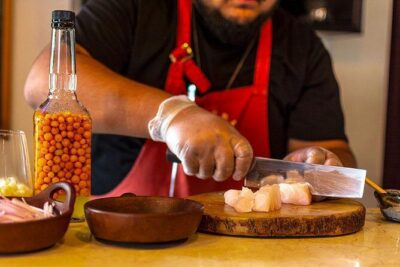
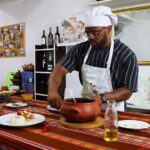
A sample main is Fish Ceviche, described as made traditionally. That matters because ceviche isn’t one-size-fits-all. Here, you’re learning the specific approach used in this setting, and you finish the dish during the session rather than taking it home raw.
Once the main is done, there’s a reset moment: the group stores boards and knives. It’s a small step, but it signals the class is transitioning into eating and social time, not dragging on into the evening. You get momentum, then closure.
If you’re watching your timing, this is the part to pay attention to most. Your ceviche comes together through steps you follow in real time, so if you wander off to chat, you’ll feel it when everyone starts assembling and finishing.
Dessert: Exotic Fruit Tasting from Different Regions
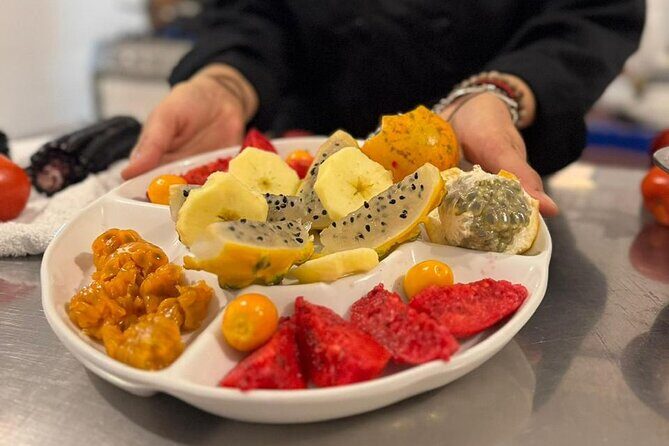
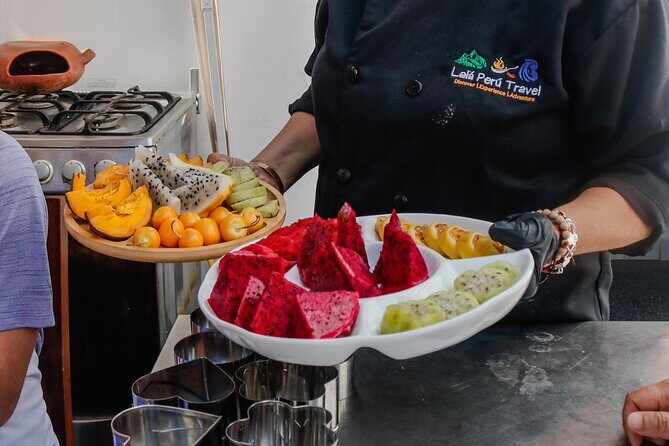
Right after the main course, the class shifts into dessert mode. For the sample menu, dessert is a tasting of exotic fruits, with the fruits coming from different regions of Peru.
This is smart design for a class like this. Cooking seafood and potatoes is active work. The fruit tasting slows things down, lets your palate recalibrate, and gives you a taste of Peru beyond the two big menu items.
Also, since the class specifically talks about fruits from different areas, you don’t just get random bites. You get context for what you are tasting, which makes the dessert feel like part of the overall food story, not an add-on.
Other Peruvian cooking classes in Lima


Pisco Sour for 21+: The Flag-Liquor Story and the Taste Test
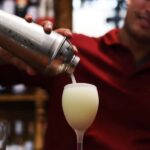
This is the moment many people come for, and it’s also one of the clearest examples of how the class balances education with participation. During the finish, each person prepares a pisco sour for those over 21.
They explain the history of pisco sour as the flag liquor and then have you prepare it. The important part: you have to taste it as you make it.
For anyone under 21, you won’t be left out, but the alcohol piece is handled differently. The class states that alcoholic beverages are only served to travelers over 21, and under 21 are served non-alcoholic beverages. In other words, you still get the experience flow, but your drink won’t be the same.
Tip if alcohol is part of your plan: bring your ID if you have it, and be ready to participate in the mixing and tasting stage.
What You’re Really Paying For at $70
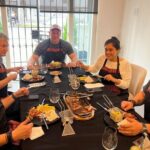
$70 per person for about three hours in a small-group cooking class is reasonable when you look at what’s included. You’re not just doing a demo. You’re choosing your dishes, prepping ingredients, cooking a starter and a main, then eating dinner built from what you make.
On top of the food, you get guided instruction in English, dish context while you cook, and a structured meal experience at the end. If you’re over 21, the pisco sour step is part of the class, and that’s usually where a lot of value hides in food tours like this.
Even if you skip alcohol, the pricing still makes sense because the class includes both savory courses and a dessert tasting. You end up with a full experience: hands-on cooking, shared table time, and multiple tastes that reflect different parts of Peru.
Small group size also helps justify the price. With a maximum of 10 people, you’re less likely to be stuck waiting for instruction or watching from the side.
Who This Cooking Class Is Best For
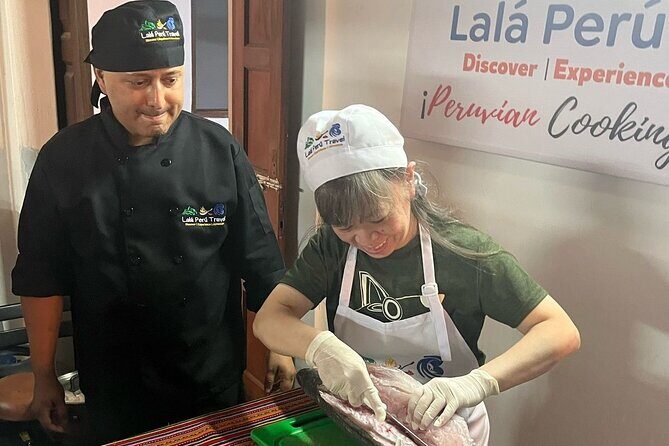
This class fits best if you want a practical cooking session with cultural notes, not a long lecture. It’s listed as for beginners as well as people with experience, which matches the format: you get guided steps, and you also get room to ask questions while you’re actively working.
It’s ideal if you:
- want to cook Lima favorites you can actually repeat at home
- like food classes that include both cooking and tasting (not just one or the other)
- enjoy learning short dish stories while you cook
You might want to look elsewhere if you need a fully silent, no-interaction experience or if you are very sensitive to alcohol-based drinks being discussed. The class is built around sharing food and, for those over 21, tasting pisco sour.
Should You Book This Lima Cooking Class?
Yes, I’d book it if you want a short, high-engagement food experience in Lima. The combination of hands-on cooking, dish context, and the pisco sour and fruit tasting makes it feel like more than a basic class.
Book it with confidence if you like food that connects to place and you’re comfortable cooking in a small group. It’s also a strong pick for solo travelers and couples because the format naturally creates conversation around the table.
If you are under 21, you can still enjoy the starter, ceviche, fruit tasting, and the shared dinner. Just go in knowing the pisco sour part is alcohol-free for you.
FAQ
Where does the experience start in Lima?
It starts at Av. Ricardo Palma 642, Lima 15047, Peru, and it ends back at the same meeting point.
How long is the cooking class?
The experience lasts about 3 hours.
What time does it run?
It runs daily from 12:00 PM to 3:00 PM.
Is the class offered in English?
Yes, the class is offered in English.
Is this class suitable for beginners?
Yes, the classes are for beginners or people with cooking experience.
What is the maximum group size?
The maximum number of travelers is 10.
Are alcoholic beverages included, and is there an age requirement?
Alcoholic beverages are only served to travelers over 21. Guests under 21 years old are served non-alcoholic beverages.
Are service animals allowed, and do I get a mobile ticket?
Yes, service animals are allowed, and you receive a mobile ticket. Confirmation is received at time of booking.