REVIEW · LIMA
The Fisherman and Ceviche Culture of Lima Tour
Book on Viator →Operated by Alternative Peru · Bookable on Viator
Ceviche starts at the pier. This Lima fishing culture tour takes you to Chorrillos for a real seafood morning, then lands you at lunch for classic ceviche, with big Pacific views at the end in Morro Solar.
I love how the day mixes hands-on coastal life with food. You’ll see fishermen repairing nets and boats and also learn how artisanal wood fishing boats are made before you eat.
One thing to consider: the pace is mostly outdoors, with walking in coastal neighborhoods and time up at viewpoint areas, so bring good footwear and don’t plan on this being a sit-and-watch day.
In This Review
- Key highlights you’ll actually feel
- From Chorrillos fishwork to a ceviche lunch: what makes this tour click
- Price and logistics: what you’re paying for at $168
- Your day starts with a 10am pick-up and a private transfer
- Stop 1: Fisherman’s Wharf in Chorrillos, nets, fish, and Pacific coastline views
- Chorrillos streets and a boat builder workshop (the story behind the wood)
- Lunch in a family Criollo restaurant: why ceviche is the star
- Stop 4: Morro Solar for coastal views and a 19th-century story
- What to expect: timing, walking, and comfort tips
- Guide quality and local connections (why this feels personal)
- Who this tour is best for (and who might want to adjust expectations)
- Should you book the Fisherman and Ceviche Culture of Lima Tour?
- FAQ
- What is the duration of the Fisherman and Ceviche Culture of Lima Tour?
- What time does the tour start?
- Is this a private tour?
- What does the tour include?
- Are any admission tickets included?
- Who will guide the tour?
- Where does the tour take place?
- Can I take a service animal?
- What is the cancellation policy?
Key highlights you’ll actually feel
- Private door-to-door pickup from your hotel, with a guide who handles the flow
- Chorrillos fish market and pier where catch of the day meets real daily work
- A short artisanal boat ride for a better sense of Lima’s coastline and Pacific biodiversity
- Boat builder workshop time to understand the labor behind handcrafted fishing vessels
- Family-style Criollo lunch with ceviche plus stories behind the coastal culture
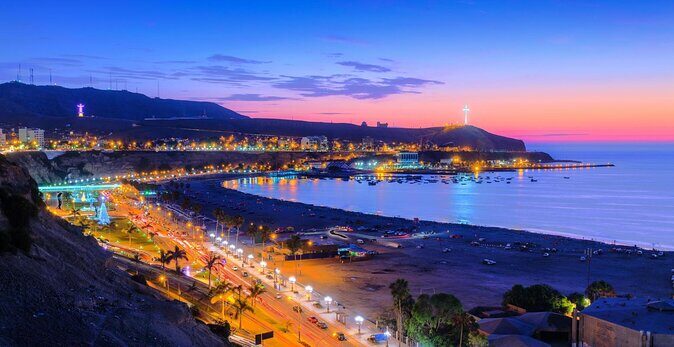
- Morro Solar viewpoint and history tied to a 19th-century battle and Lima’s modern story
From Chorrillos fishwork to a ceviche lunch: what makes this tour click
This tour is about cause and effect. You start by understanding how seafood is caught and prepared in Chorrillos, then you walk into lunch with context. Ceviche stops being just a dish on a menu and becomes a way of life tied to fishing, coastal neighborhoods, and family traditions.
The day also has a smart rhythm. You get a market-and-ocean start, a neighborhood walk with boat-building detail, then you eat, then you finish with a payoff viewpoint at Morro Solar. That structure matters because it keeps the morning meaningful instead of turning it into a quick photo stop followed by lunch.
Other ceviche and pisco sour experiences in Lima
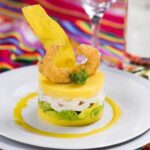

Price and logistics: what you’re paying for at $168
$168 per person sounds steep at first, until you look at what’s included in the experience flow. You’re getting a private tour (only your group), bilingual guidance, and hassle-free door-to-door private transfers. Those are real costs in Lima, especially for a route that reaches outside the central tourist core.
You also get key experiences that usually cost extra on their own: a seafood market visit with an admission ticket, a short boat ride on most days, and a sit-down lunch where ceviche is the centerpiece (with admission included). Other stops are listed as ticket-free, which helps keep the total “included value” strong for the time you spend.
Bottom line: this is best viewed as a half-day private cultural-food package, not just a ceviche lunch.
Your day starts with a 10am pick-up and a private transfer
Pickup is at 10:00 am, and you can adjust the starting time if you prefer. That flexibility is helpful when you’re juggling other plans in Lima.
Because it’s private, you’re not squeezed into a large group schedule. You and your guide can move at a pace that works for your comfort level, and your driver is directly handling the logistics. In reviews, people specifically praise the pick-up and drop-off as smooth, which is exactly what you want after a busy travel day.
If you’re sensitive to motion, note the tour includes time on the water for a short coast ride. You should be fine if you’re generally comfortable on boats, but if you’re prone to seasickness, plan ahead.
Stop 1: Fisherman’s Wharf in Chorrillos, nets, fish, and Pacific coastline views
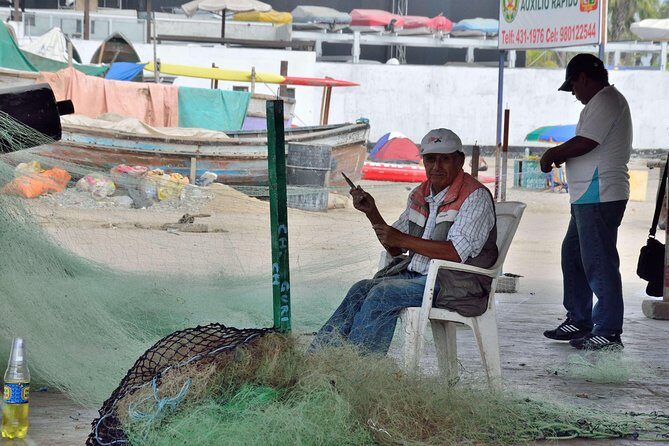
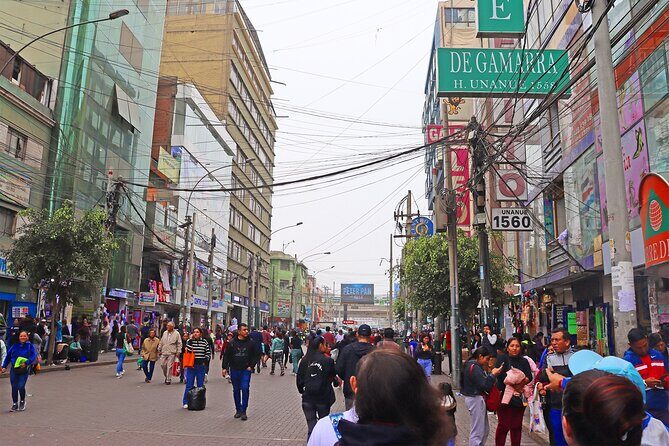
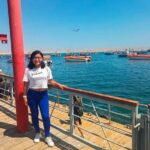
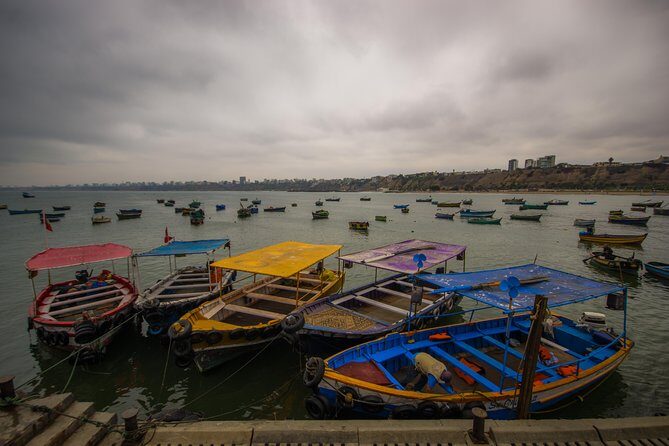
This is where the story starts, in Chorrillos’s traditional fishing community. Your guide brings you into a place that functions like a workplace, not a museum. You’ll walk through the seafood market and pier, watching fishermen sell their catch and repair fishing nets and boats for the next offshore trip.
This section is popular because it makes the coastal economy understandable fast. You don’t just see fish; you see the infrastructure that keeps fishing moving: gear repair, boat maintenance, and the everyday work behind the scenes.
On most days, you’ll also have a short boat ride for a better perspective of Lima’s coastline. The point isn’t just scenery. From the water, you get a clearer sense of the fishing environment and the wide biodiversity of the Pacific side of Lima that your guide explains.
Practical note: bring a light layer if you’re sensitive to wind near the coast. Even when the sun is out, a pier can feel breezy.
Chorrillos streets and a boat builder workshop (the story behind the wood)
After the pier area, the tour moves into the old streets of Chorrillos, where your guide explains why this town matters in Peru’s history. This part gives context, but it also does something practical: it slows down the day so you don’t burn through your morning only on food.
You’ll also stop by a local boat builder’s workshop. This is one of the most memorable sections for many people because the work looks slow, careful, and hands-on. The whole idea is that artisanal boats aren’t mass-produced. They’re built through laborious process, passed through skill and tradition, and maintained because the sea demands it.
In real-life terms, this workshop helps you connect later details. When you eat ceviche, you’ll understand the whole chain: fishing work → seafood handling traditions → the coastal community that keeps it going.


Lunch in a family Criollo restaurant: why ceviche is the star
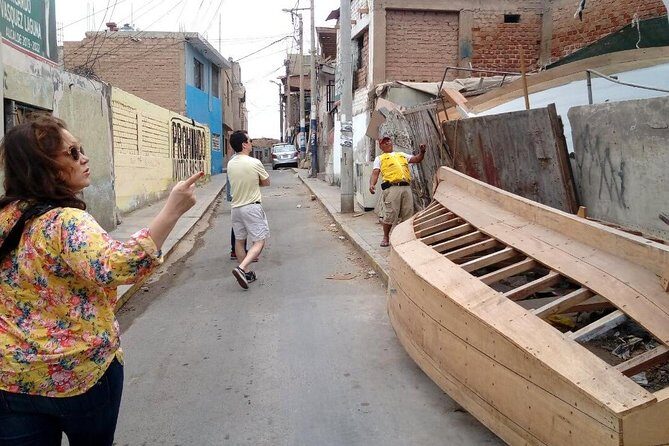
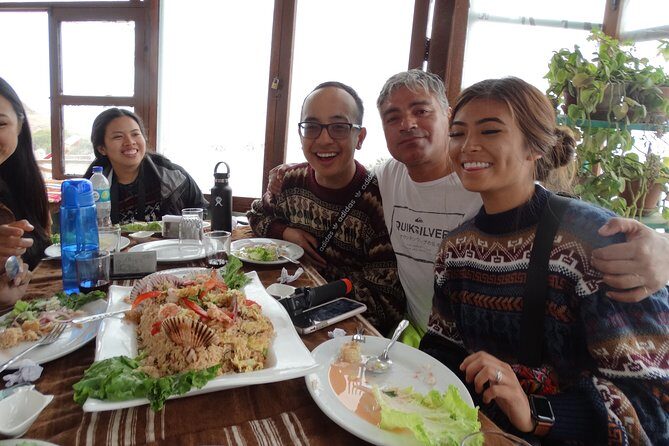
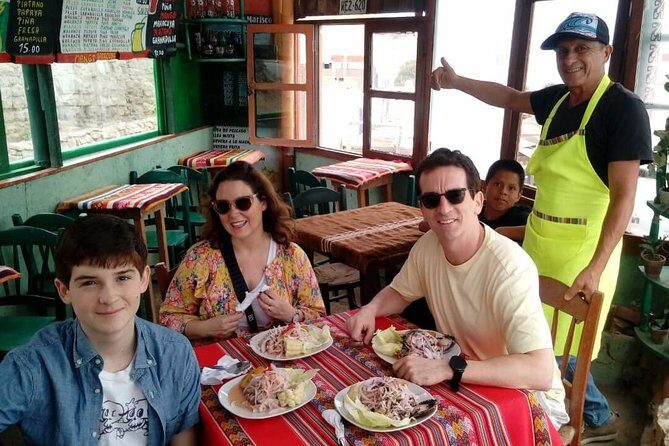
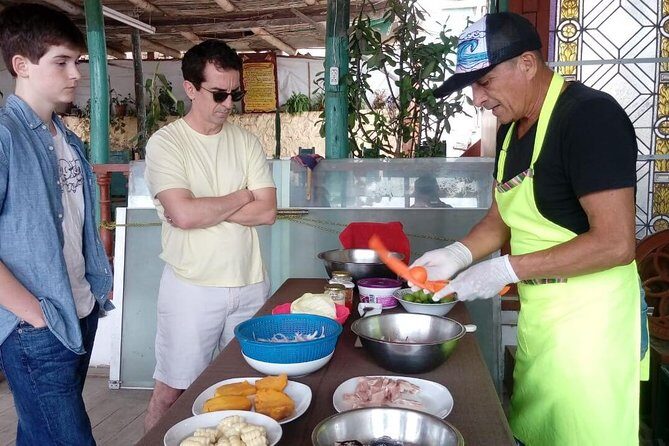
Lunch is served at a small family restaurant linked to traditional local families in town, often described as Criollos. The guide frames it as coastal culture shaped over centuries by indigenous, African, and Asian influences alongside Spanish settler roots. Even if you don’t catch every historical detail, you’ll feel the family nature of the meal.
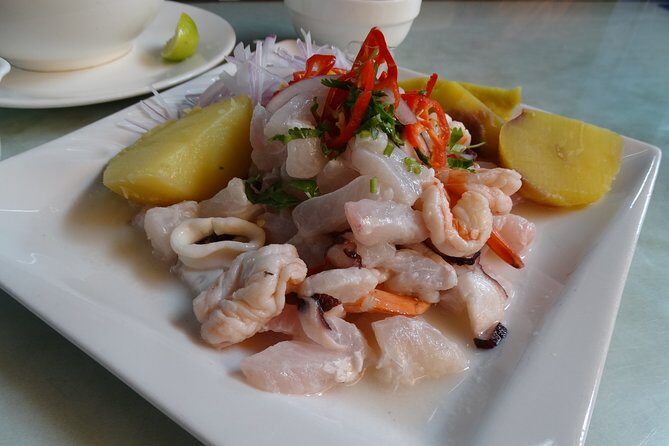
Ceviche is the centerpiece. And here’s why this works so well on a guided tour: you learn why Peruvians are proud of it, and you’re eating after you’ve already seen fishermen, markets, and boat work. That sequence makes ceviche taste better, but also makes you understand it as a national food story, not just a trendy lunch.
A few bonus moments you might experience depending on the day and the family:
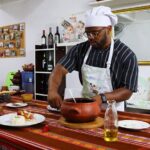
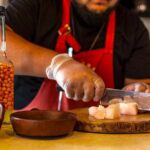
- You may see chef-style food preparation right in front of you.
- You could meet locals who share how the restaurant links to the broader community.
- Some guides bring small, memorable details from the household setting (for example, one owner was described as having a prized rooster tied to family tradition).
Don’t expect a “show” like in theme-restaurant cooking. This is more like being welcomed into a normal coastal lunch setting, with food and stories happening at the same time.
Stop 4: Morro Solar for coastal views and a 19th-century story
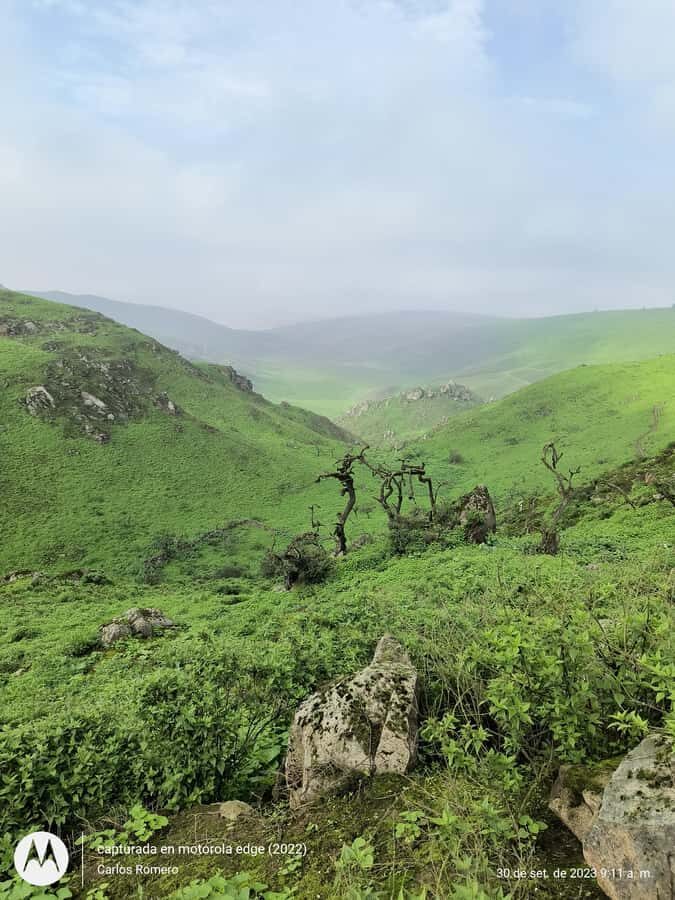
After lunch, the tour heads toward Morro Solar, a dramatic cluster of rock formations facing the Pacific. This viewpoint area is about two things: the view and the meaning.
From Morro Solar, you get big coastline perspective over Lima’s edge. It’s the kind of place where you look at the ocean and suddenly understand why Chorrillos fishing life matters so much.
Your guide also shares historical context. Morro Solar isn’t only a scenic stop; it was once the site of an important 19th-century battle that shaped the history of modern Peru. That story turns the rocks into something more than a photo backdrop.
Some people also mention seeing a large Christ statue in the area and enjoying the panoramic framing it adds. Even if you’re not focused on monuments, the combination of history talk plus ocean views makes the final leg feel complete instead of rushed.
What to expect: timing, walking, and comfort tips
The tour runs about 4 to 5 hours. Most of that time is active and outdoors: pier and market walking, neighborhood strolling, time at workshops, lunch, and then a viewpoint stop.
A few practical tips that help:
- Wear shoes you can trust on uneven coastal surfaces and workshop areas.
- Bring sunscreen and a hat. Coast weather can fool you.
- Carry water. Lunch includes ceviche, but the morning can still be warm.
- If Spanish isn’t your thing, you’ll be fine. The guide support is bilingual, and many visitors highlight clear English as well.
Also note a detail from the tour info: service animals are allowed. If you have specific needs, it’s worth checking in when you book.
Guide quality and local connections (why this feels personal)
The best part of this kind of tour is rarely the stops themselves. It’s the human layer: who explains what you’re looking at, and whether locals feel treated like partners.
In reviews, people praise the guides for being friendly, fluent in English, and genuinely invested in explaining local life. There’s also mention that local contacts helping with the tour are financially compensated, which matters if you care about responsible tourism beyond the photo.
Even the boat experience is tied to people. When you’re out on the water, a capable captain and a calm explanation can make the difference between “nice ride” and “I’d do that again.”
Who this tour is best for (and who might want to adjust expectations)
This is a great fit if you want:
- A Lima food tour that starts with fishing reality, not just restaurants
- Real neighborhood atmosphere in Chorrillos
- Boat-building and coastal history, not only cooking demos
- A private guide who can tailor the pace to your comfort
It can be less ideal if:
- You want mostly indoor time or minimal walking
- You’re very sensitive to motion on a boat ride
- You prefer large landmark sightseeing only (this tour is more local and working-community focused)
If you have decent mobility and curiosity about how coastal life works, you’re the target audience. One review even suggested it’s not for faint of heart, which basically translates to: come prepared for a more physical, outdoor day than the average city tour.
Should you book the Fisherman and Ceviche Culture of Lima Tour?
I’d book it if you’re choosing between another ceviche meal and an actual understanding of where ceviche comes from. The strongest reason is the sequence: market and fishing work first, then boat-building context, then family ceviche lunch, then a Morro Solar payoff.
I’d skip or switch plans if your travel style is very low-activity, or if you’re uncomfortable with outdoor walking plus a short time on the water. Also, if you only want the quickest possible lunch with zero cultural context, this is probably more day than you need.
If you want one half-day that mixes Lima’s food identity with the ocean economy that made it, this tour earns its popularity for a good reason.
FAQ
What is the duration of the Fisherman and Ceviche Culture of Lima Tour?
It runs about 4 to 5 hours.
What time does the tour start?
Pickup is at 10:00 am. The starting time can be changed if you prefer.
Is this a private tour?
Yes. It’s a private tour/activity, so only your group participates.
What does the tour include?
You’ll visit the fishing district of Chorrillos, see the seafood market and pier, likely take a short boat ride, walk through old streets, visit a boat builder workshop, and enjoy a family lunch featuring ceviche. Door-to-door private transfers are included.
Are any admission tickets included?
Admission tickets are included for the pier/market stop (Stop 1) and the lunch/ceviche stop (Stop 3). Other stops are listed as ticket-free.
Who will guide the tour?
The tour includes a bilingual guide.
Where does the tour take place?
It’s based in Lima, focusing on Chorrillos and ending at Morro Solar.
Can I take a service animal?
Yes. Service animals are allowed.
What is the cancellation policy?
Free cancellation is available if you cancel up to 24 hours in advance for a full refund.