REVIEW · LIMA
4-Hour Cooking Class Ceviche and Causa in Lima
Book on Viator →Operated by Travel Buddies Peru · Bookable on Viator
Ceviche lessons start at the market. This 4-hour Lima class is built around real food shopping and hands-on cooking, so you’re not just eating Peruvian favorites. You’ll visit Mercado nro 1 de Surquillo, sample what Peru has to offer, and then learn how ceviche and causa come together from ingredients you can actually picture at home.
I like how it gives you two classics in one go: ceviche for the bright, lime-and-chili bite, and causa for the layered, lemony potato base with aji amarillo and creamy stuffing. I also like that the experience is paced for comfort in a small group (up to 10), and the guiding in English has been praised for clear, careful explanations—people like Jonathan, Sergio, Jair, and Miguel have shown up as guides in prior groups.
One consideration: you’ll be working with raw fish in the ceviche part, and ceviche uses strong flavors (lime, chili, onion), so if you’re sensitive to raw seafood or spicy intensity, decide ahead of time how bold you want to go with the tasting and cooking.
In This Review
- Key Highlights Worth Your Time
- Where This Cooking Class Fits in Lima (and Why It Works)
- Getting Oriented at Terrua Cafeteria (Your Flavor Warm-Up)
- Mercado nro 1 de Surquillo: Learning Peru by Looking, Not Reading
- The Kitchen Part: What You Actually Make (and Why It’s More Than “Just Cooking”)
- Making Ceviche: Lime, Aji, Onion, and the Right Balance
- Making Causa: Yellow Potato Base and the Aji Amarillo Stuffing
- Drinks and the Social Side: Pisco Sours and Chillcanos in the Flow
- Price and Value: Is $80 Worth Four Hours in Lima?
- Timing, Transfers, and What the 10:00 am Start Means
- Who This Class Suits Best (and Who Should Think Twice)
- Tips to Get the Most From Your 4 Hours
- Should You Book This Ceviche and Causa Cooking Class?
- FAQ
- How long is the cooking class?
- What is the price per person?
- What time does the tour start?
- Where does the experience meet?
- Is the class offered in English?
- Can I cancel for a full refund?
Key Highlights Worth Your Time
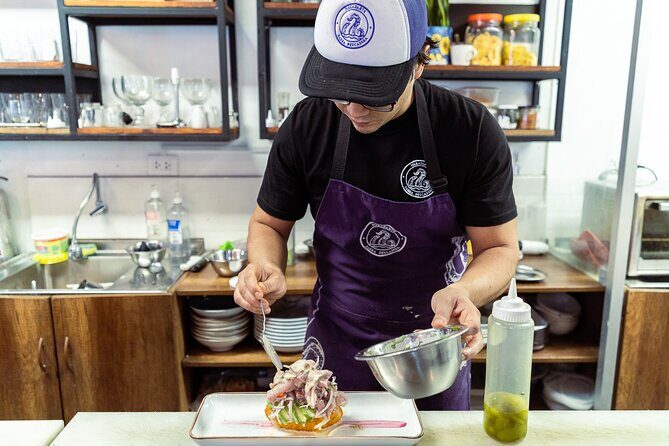
- Mercado nro 1 de Surquillo: you shop in a real market setting, not a staged demo.
- Hands-on ceviche: you learn the flavor math—lime acidity, chili heat, onion bite, and seasoning.
- Hands-on causa: yellow potato layers meet aji amarillo, egg, black olives, and avocado.
- Small group size: max 10 travelers makes it easier to ask questions while you cook.
- Coffee stop at Terrua Cafeteria: you get an early Peru flavor hit before the kitchen work starts.
- Drinks included in the day’s flow: some departures include pisco sours and chillcanos as part of the experience.
Where This Cooking Class Fits in Lima (and Why It Works)
Lima can be a lot. Big roads, busy neighborhoods, and menus that look similar until you start paying attention. This class is a smart shortcut. In one morning you get two “start here” Peruvian dishes—ceviche and causa—plus the market context that makes them make sense.
The format is simple: start in Miraflores area at Terrua Cafeteria, head to the market, then cook. It’s also a good value structure because the time isn’t only in the kitchen. You’re spending part of the four hours choosing ingredients and tasting Peru along the way, which is where most cooking classes in other cities fall flat.
And you’re not dealing with a huge crowd. With a maximum of 10 people, it’s easier to follow instructions and get clarification, especially if you’re joining from an English-speaking background. That matters when you’re learning knife work, seasoning, and timing for something as delicate as ceviche.
Other Peruvian cooking classes in Lima

Getting Oriented at Terrua Cafeteria (Your Flavor Warm-Up)
The start point is Terrua Cafeteria in Miraflores, at Pasaje Tello 163, near Espalda de Cuadra 4 (along Av. Larco). The scheduled start time is 10:00 am, and the activity loops back to the meeting point when you’re done.
Before the market, you’re often treated to coffee at Terrua. One common highlight is coffee from beans grown and roasted on the provider’s Andes farm. If you’re a coffee person, this is a nice setup because it puts you in a Peruvian frame of mind right away: local ingredients, local methods, and a direct link between origin and flavor.
Practical tip: arrive a few minutes early so you can settle in. If you’re used to late starts, Lima timing can feel relaxed, but you’ll still want your head in the game when the class begins. Coffee also gives you energy for the market walking and the later kitchen work.
Mercado nro 1 de Surquillo: Learning Peru by Looking, Not Reading
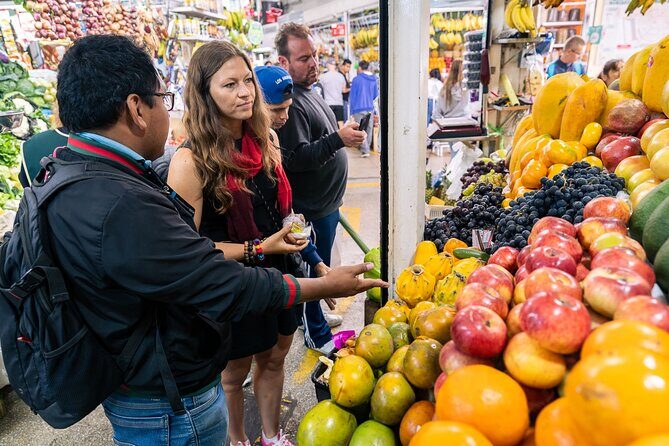
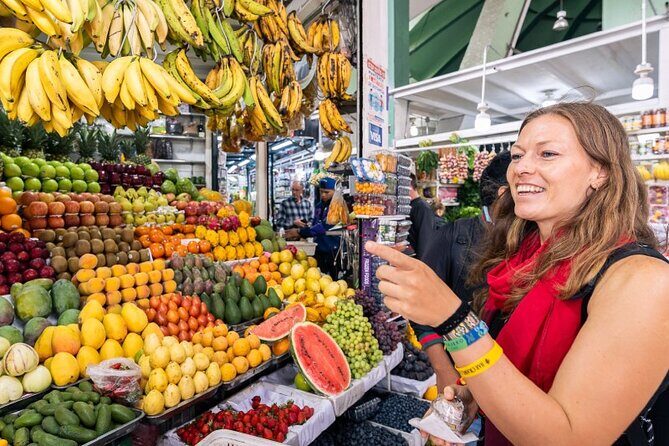
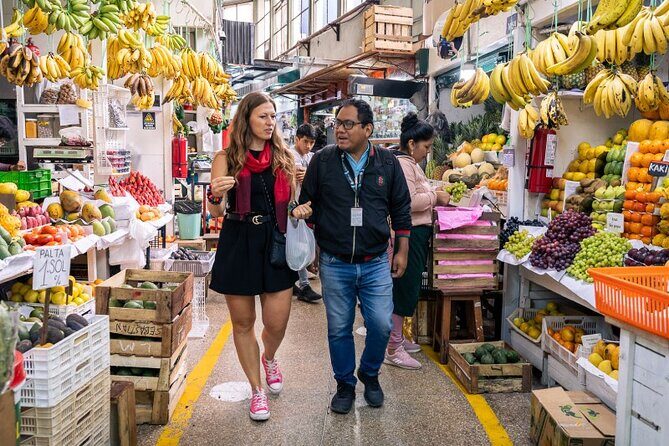
The main stop is Mercado nro 1 de Surquillo. This is where the class earns its keep. Markets are sensory classrooms: you see produce and herbs in their everyday form, smell spices, and notice how ingredients look when they’re fresh rather than packaged.
This is the moment you start connecting the dots between the dishes you’ll cook and the ingredients that make them work. For ceviche, you’ll be learning about lime acidity, chili heat, onion bite, and salt balance. For causa, you’ll be building around yellow potato and aji amarillo, plus the creamy and tangy stuffing elements like lemon, boiled egg, black olives, and avocado.
Some groups also get a taste of local fruit during this part of the day. In the past, chirimonga has shown up as a market tasting. Even if you don’t recognize it, tasting local fruit at the market helps you understand that Peruvian flavor isn’t only about heat. It’s about contrast—sweet with sour, creamy with sharp, and fresh with rich.
What to watch for:
- Market conditions can be warm, so dress with breathable layers.
- If you’re prone to motion sickness, keep an eye on how you feel during the short transfers between stops.
The Kitchen Part: What You Actually Make (and Why It’s More Than “Just Cooking”)
Your class focuses on two dishes:
- Ceviche (starter)
- Causa (starter)
The difference between them is the lesson.
Ceviche is a fast chemical reaction in real time: citrus changes the texture of fish. Causa is structure and layering: potato mashed and flavored, then topped or filled with aji-based stuffing and garnishes.
That’s why doing both in a single session is valuable. You learn that Peruvian cuisine can be both precise and flexible—depending on the dish.
Making Ceviche: Lime, Aji, Onion, and the Right Balance
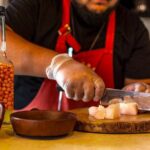
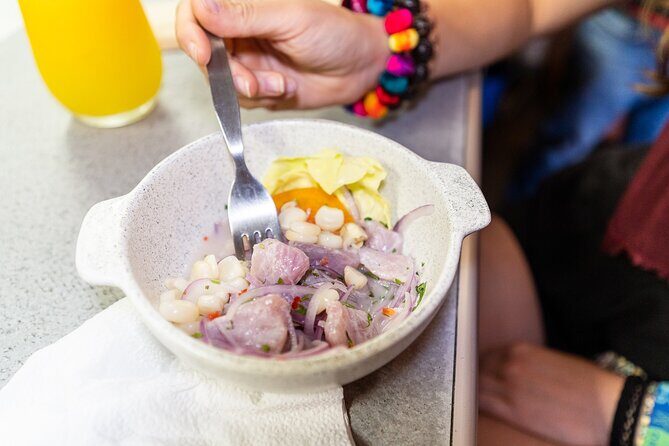
Ceviche in this class is made from fresh raw fish marinated in lime juice, with chili peppers, red onions, salt, and coriander.
Here’s what you’re really learning: flavor balance. Lime is not just sour. It’s also the “clock” that sets the dish. Chili gives heat, but it also adds depth and aroma. Red onion adds bite and a sharp, almost crunchy edge. Salt pulls everything into focus.
And coriander adds that herb-like freshness that keeps ceviche from tasting like only citrus and heat. If you’ve ever had ceviche that felt one-note—only lime, only spice—this is where the improvement comes from. The class format pushes you to assemble the full flavor set, not just the most obvious ingredients.
A practical note if you’re new to ceviche: the strongest flavors will hit early. The lime and onion can feel punchy at first. Taste as you go and adjust with the other ingredients rather than adding only more chili or only more lime.
Other ceviche and pisco sour experiences in Lima
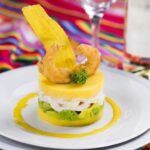
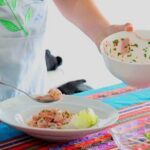



Making Causa: Yellow Potato Base and the Aji Amarillo Stuffing
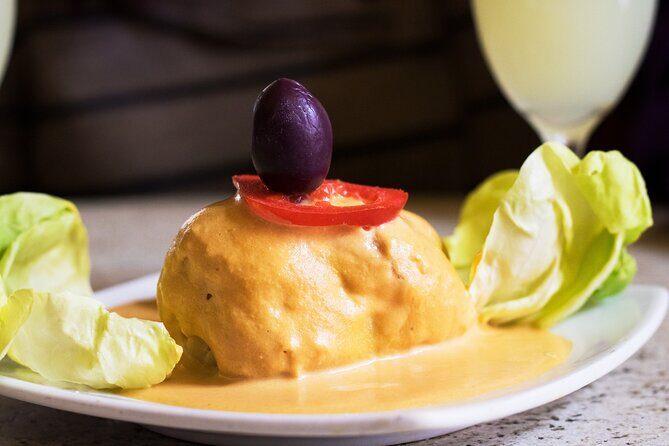
Causa is traditionally made with yellow potato, lemon, boiled egg, yellow chili pepper (aji amarillo), black olives, and avocado for the stuffing.
If ceviche is about speed, causa is about texture and comfort. Yellow potato becomes the base—soft, dense, and perfect for holding the filling. Lemon adds brightness, while boiled egg brings richness and a mild, creamy texture.
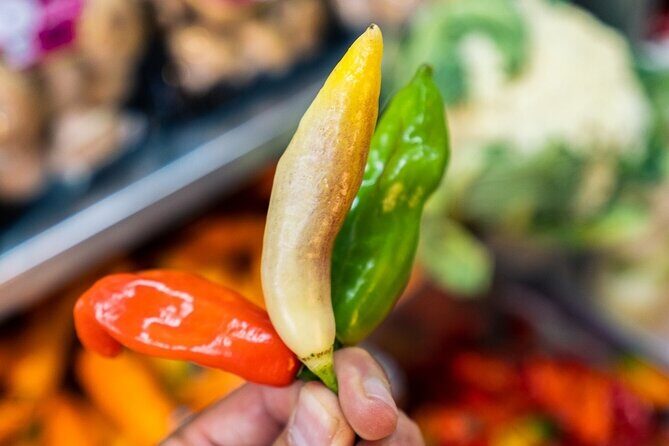
Aji amarillo is the key flavor driver here. It gives a sweet-leaning heat and a distinct orange-gold color you can recognize in many Peruvian plates. Black olives add a salty, slightly bitter counterpoint. And avocado rounds it out with creaminess so the dish feels rounded instead of sharp.
In practical terms, causa is also a great “home cooking” dish because the ingredients are straightforward. Even if you don’t find yellow potato easily, you’ll understand the method and can look for a similar starchy potato. The stuffing list is clear enough to help you replicate the flavor profile later.
One thing to keep in mind: causa can be filling. Plan your meal timing for after the class so you don’t end up skipping dinner completely or, worse, eating too light and still getting hungry later.
Drinks and the Social Side: Pisco Sours and Chillcanos in the Flow
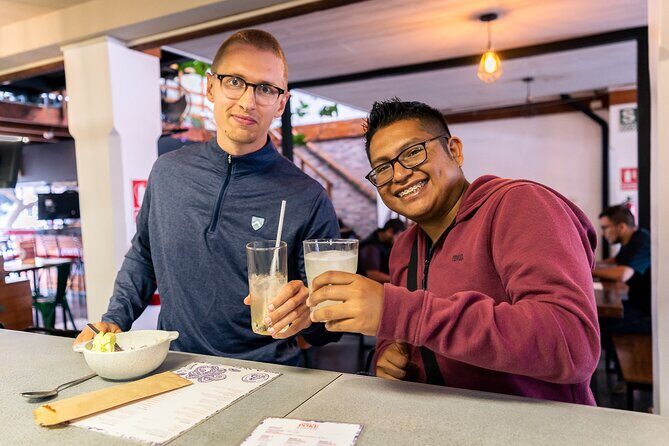
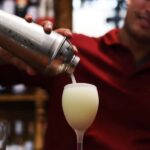
Food classes in Lima often pair tasting with conversation, and some departures include drinks like pisco sours and chillcanos as part of the day’s experience. That fits the overall structure: you learn, cook, taste, then relax with something classic from Peru.
If you drink alcohol, keep it moderate. You’ll be tasting and working with sharp flavors and citrus the rest of the session. If you prefer non-alcoholic drinks, you can still enjoy the social pace—just don’t let it slow your focus in the kitchen steps.
Price and Value: Is $80 Worth Four Hours in Lima?
At $80 per person for about four hours, this isn’t a bargain-basement activity. But it also isn’t just a kitchen demo where you stand back and watch. You’re paying for three things that add up:
- Ingredient time: the market stop isn’t decorative. You’re learning what you’ll cook with.
- Hands-on instruction: you make both ceviche and causa, which is more involved than typical food tastings.
- Language and group size: offered in English and capped at 10 people, which helps the experience stay interactive.
In other words, the value comes from doing. If your goal in Lima is to learn flavors you can recreate and to get context for why these dishes taste the way they do, this class gives you a usable skill—not just an Instagram meal.
If your goal is only to eat ceviche with no interest in cooking steps, you might get a different kind of value from a meal-focused food tour. But if you want the why and the how, this price starts to look fair.
Timing, Transfers, and What the 10:00 am Start Means
The class starts at 10:00 am. That’s a good time slot because you can still have most of your day free afterward, without racing toward dinner. It’s also a good time for the market segment since you’re not doing it in the late afternoon heat.
The route is easy to follow:
- You begin at Terrua Cafeteria in Miraflores.
- You move to the market (Mercado nro 1 de Surquillo).
- You return to the meeting point at the end.
The tour is described as near public transportation, which matters in Lima because it means you’re not dependent on taxis if you want flexibility.
Practical tip: wear shoes you can stand in. Markets are not carpeted, and you’ll likely shift between tasting and walking to the cooking area.
Who This Class Suits Best (and Who Should Think Twice)
This cooking class is ideal if you:
- love food with clear ingredient identities (lime, onion, aji amarillo)
- want a hands-on Lima experience rather than only eating out
- like structured learning you can replay later at home
- prefer small groups and English guidance
You might think twice if you:
- dislike spicy flavors, because aji and chili are central to both dishes
- avoid raw fish, since ceviche is made with fresh raw fish marinated in lime juice
- need a very quiet, low-activity experience, since the day includes walking and market browsing
Tips to Get the Most From Your 4 Hours
A few things will make a big difference:
- Come hungry but not starving. Coffee and tasting can build quickly. You want enough appetite to enjoy the cooking results.
- Pay attention to seasoning cues. Ceviche is about balance. Don’t just focus on the loud flavors—watch how salt and coriander change the finish.
- Take notes on the causa stuffing list. Yellow chili, egg, black olives, avocado—this combination is distinctive. Even rough notes help you cook again later.
- Wear sun-friendly layers. You’ll spend time walking and tasting in the market area.
- Ask questions about substitutes. If you can’t find the exact ingredients later, the method matters more than the brand.
Should You Book This Ceviche and Causa Cooking Class?
If you’re the kind of traveler who wants more than a meal—if you want to understand how Lima builds flavor—I’d book it. The four-hour length is tight enough to be efficient, but it’s long enough to include a market stop and to actually cook two iconic dishes.
I’d especially recommend it if you want a small-group experience in English with a clear focus on ceviche and causa. The market visit at Mercado nro 1 de Surquillo plus the chance to make both dishes gives you something you can repeat, not just something you taste once.
If you’re hesitant about raw fish or spicy intensity, you can still decide based on how you handle citrus and chili flavors in general. But for most food-focused travelers, this is an effective way to learn Lima in a single morning.
FAQ
How long is the cooking class?
It lasts about 4 hours.
What is the price per person?
The price is $80.00 per person.
What time does the tour start?
The start time is 10:00 am.
Where does the experience meet?
You start at Terrua Cafeteria on Pasaje Tello 163 in Miraflores.
Is the class offered in English?
Yes, it’s offered in English.
Can I cancel for a full refund?
Yes. You can cancel up to 24 hours in advance for a full refund.