REVIEW · LIMA
Lima: Food Tour on Local Market
Book on GetYourGuide →Operated by The Traveller Agency · Bookable on GetYourGuide
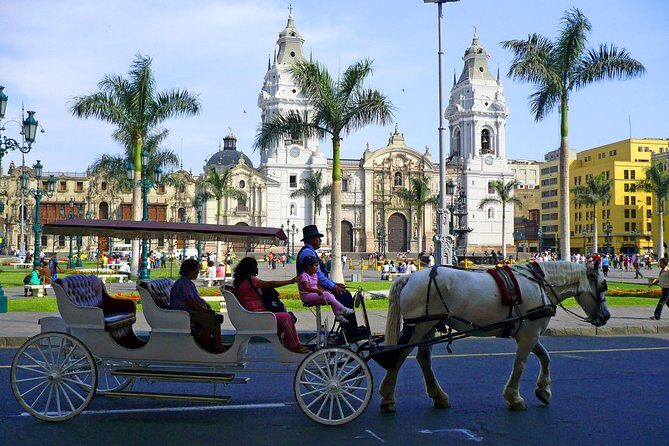
A Lima market food walk can change how you see a city. This one strings together 9 must-try tastings plus classic neighborhoods, so you get the real Lima food scene fast, with a guide who keeps things moving. You’ll also pass through Chinatown and the Central Market area, where the smells and flavors do most of the talking.
Two things I really like: the snack variety, and the way the guide handles it. You’re not just eating one type of food; you’ll see potatoes, fish, fruit, and classic street bites in a tight loop, and guides (including Giovanna on a recent private run) tend to explain what you’re tasting and why it matters.
One thing to consider: this is a 3-hour walking + sampling plan, so come hungry but not stuffed. If you eat a big meal beforehand, you’ll likely feel food-fatigued before you finish the final stops.
In This Review
- Key highlights that make this tour worth it
- How a 3-hour Lima food tour actually helps you
- Starting at Jr. Cusco 400: the route starts you like a local
- Barrios Altos: Choclo con queso, Papa rellena, and first bites of ceviche
- Chinatown in Lima: siu mai, min pao, and the food history you can taste
- Central Market: lucuma juice, anticuchos, and picarones
- Chinitos and the Emoliente moment: pan con chicharrón plus a local drink
- Bolivarsito Bar finish: exotic fruit and optional pisco sour
- Price and value: is $75 a good deal for 3 hours?
- Who should book this Lima market food tour
- A few practical tips so you enjoy every stop
- Should you book this Lima market food tour?
- FAQ
- FAQ
- How long is the Lima Market Food Tour?
- What does the tour cost?
- Where does the tour start?
- What food and drinks are included?
- Is pisco sour included?
- Do I need to eat before the tour?
- Is transportation included?
- What languages are the guides?
- What if I have dietary restrictions?
Key highlights that make this tour worth it
- 9 popular Peruvian snacks prepared by local vendors, spread across several neighborhoods
- A smart food route linking Barrios Altos, Chinatown, and Central Market without long gaps
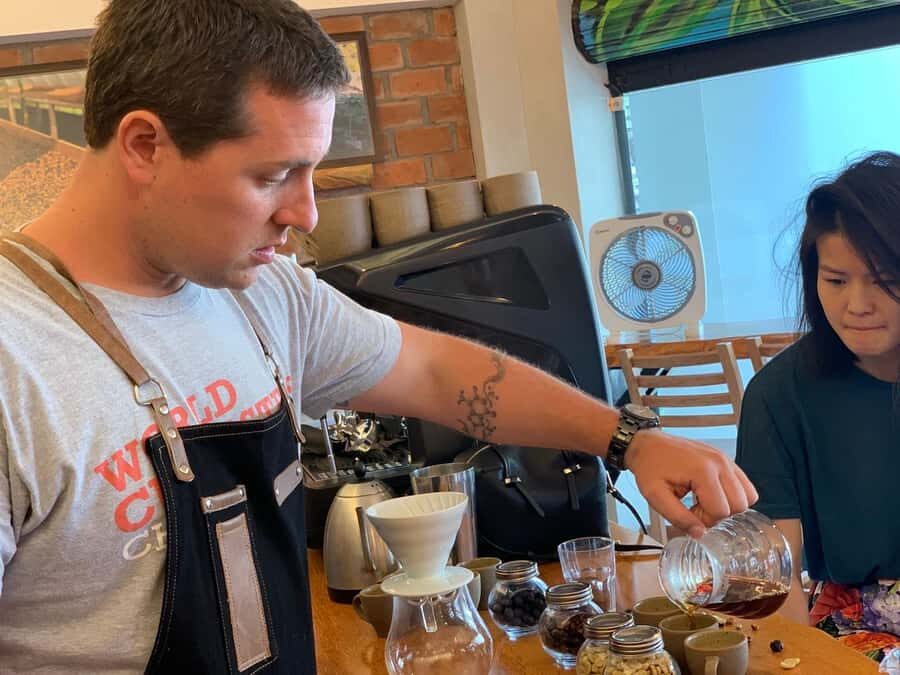
- Hands-on moments like helping prepare anticuchos (a fun change from just ordering)
- Peru and China’s food mix in Chinatown with siu mai and min pao
- Central Market classics such as lucuma juice, anticuchos, and picarones
- A classic ending at Bolivarsito with seasonal exotic fruits and optional pisco sour
How a 3-hour Lima food tour actually helps you
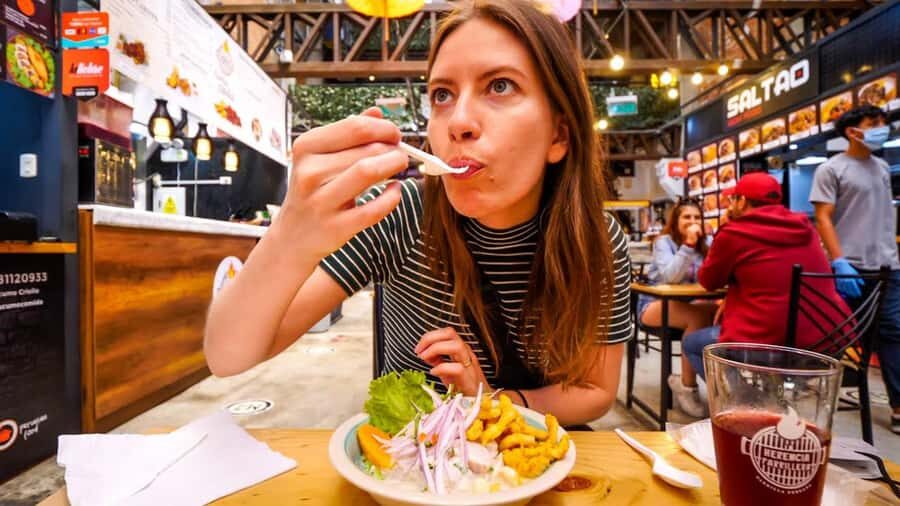
Lima can feel like a food overload in the best way. The problem is sorting out what’s worth trying, where to go, and what not to miss when you’re short on time. This tour tackles that by building a route that hits the most recognizable food zones in central Lima.
You’re also not stuck in a single restaurant waiting for the next plate. Instead, you’re walking through neighborhoods that explain Lima’s food story—starting in traditional market streets, then moving into the Chinese-Peruvian influence, and landing in Central Market where everyday ingredients are on full display.
Most importantly, you’re tasting enough variety to understand patterns. Peru’s flavors often make more sense once you try them in a sequence: crunchy + creamy, savory + sweet, raw + cooked, and fruit paired with local drinks.
Other Lima food tours we've reviewed in Lima
Starting at Jr. Cusco 400: the route starts you like a local
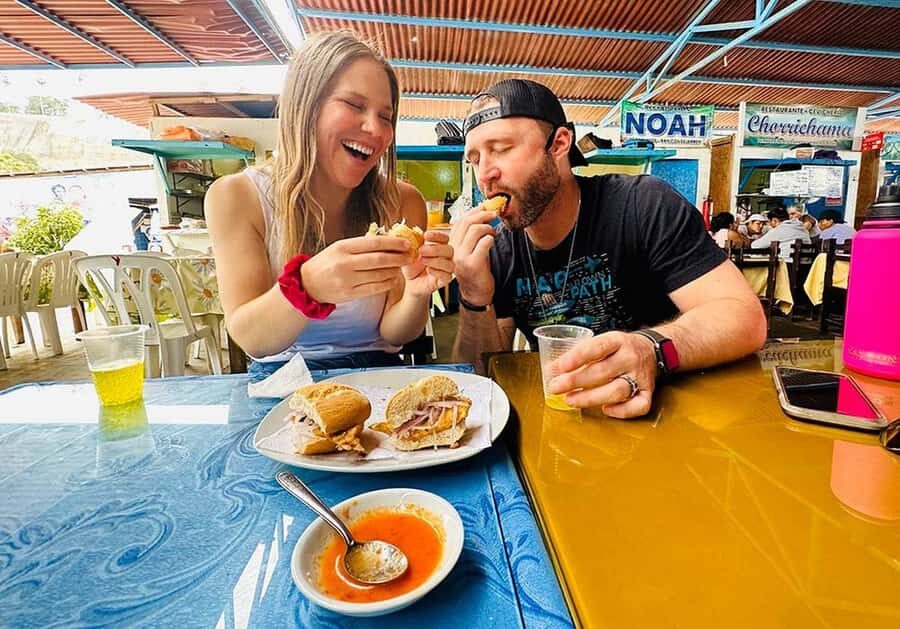
The tour meets at Jr. Cusco 400, a practical central pickup point. From there, the experience is built around short walks and frequent stops, so you’re not spending most of your time in transit.
The early part matters. You begin in Barrios Altos, an area known for older streets and local food stalls. Starting here gives you a baseline for the flavors you’ll keep seeing—especially potato-based snacks and simple, salty comfort food.
If you’re worried about pacing, this is where guides earn their keep. Good guides keep the timing tight and offer breaks without turning the tour into a stop-and-go scramble.
Barrios Altos: Choclo con queso, Papa rellena, and first bites of ceviche
Your first stretch leans into familiar favorites. Expect local treats like choclo con queso (sweet corn with cheese) and papa rellena (stuffed potato, typically fried or baked), which are perfect early warm-ups. These are the kinds of foods that help you taste Lima without committing to anything too intense right away.
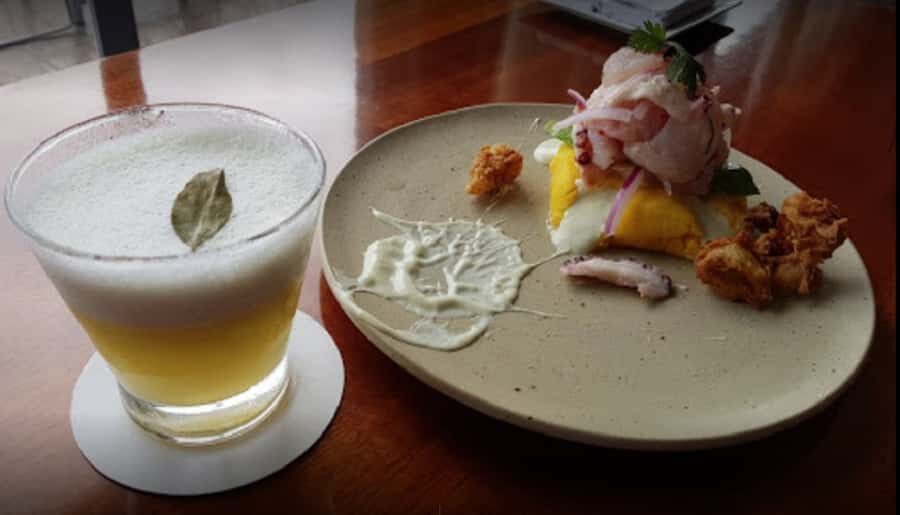
Then you head to ceviche. The tour includes a fresh and flavorful ceviche tasting here, which is a strong move for first-time Lima visitors. Ceviche is one of those dishes that’s both simple and highly specific—ingredients, acidity, and seasoning all shape the final taste.
Practical tip: if you’re sensitive to raw seafood, tell your guide ahead of time. The tour data says dietary restrictions should be shared when booking, and a good guide can help you navigate what’s best for your comfort level.
Chinatown in Lima: siu mai, min pao, and the food history you can taste
After Barrios Altos, you shift into Chinatown in Lima, where Chinese culinary traditions have shaped Peruvian eating habits. This part of the tour is valuable because it makes fusion food feel logical, not random.
You’ll taste dishes such as siumai (siu mai) and min pao (min pao)—both classic Chinese-style snacks that became part of Lima’s daily food culture. The cultural piece here isn’t just trivia. It helps you understand why certain flavors and cooking methods show up in places you might not expect.
This stop is also a nice contrast in texture. Dumplings and steamed snacks can feel lighter after potato and corn bites, and they make the whole tour feel balanced instead of heavy.
Central Market: lucuma juice, anticuchos, and picarones
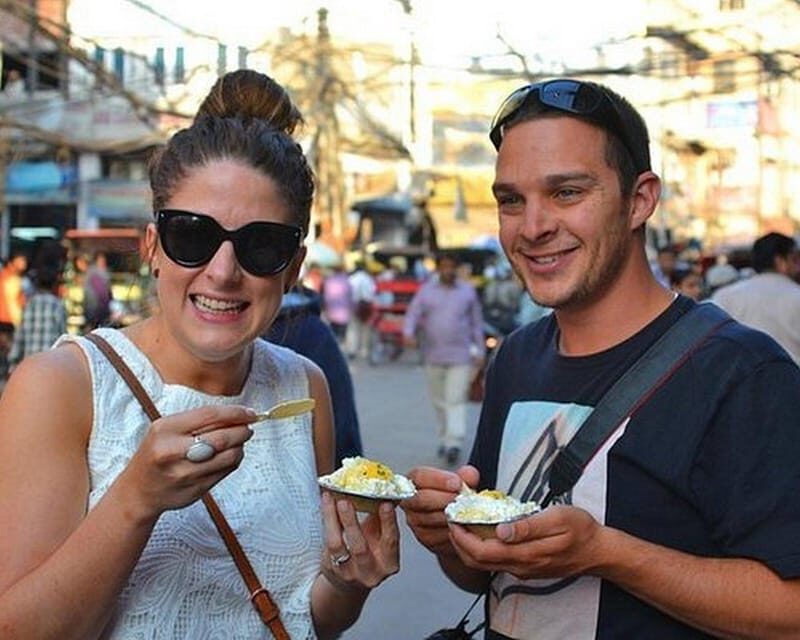
Central Market is where Lima’s food atmosphere turns into a full-on sensory event. The tour focuses on traditional ingredients and spices you can actually see and smell, which helps you connect the snacks to where they come from.
You’ll get lucuma juice, a fruit drink that’s a Lima classic. If you’ve never tried lucuma before, this is a good first bite because it’s sweet and creamy without being confusing. Next comes street-style favorites: anticuchos and picarones.
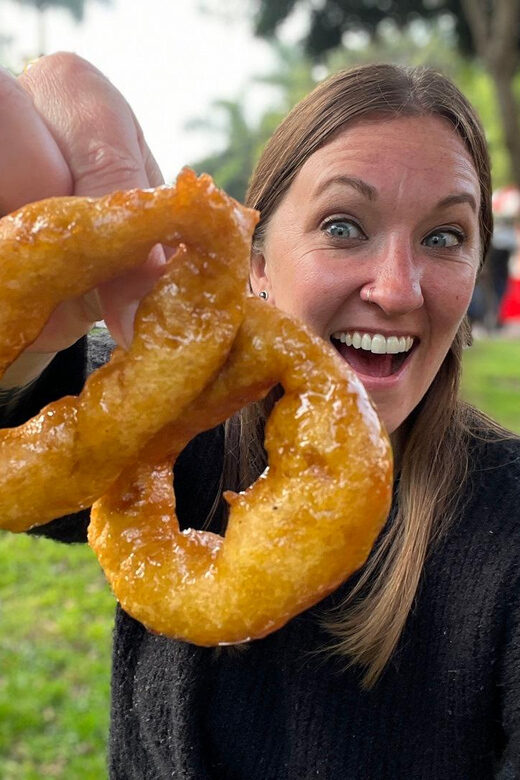
Anticuchos are typically grilled skewers, often featuring beef heart, though the exact version can vary by vendor. Either way, the key is the charred, smoky flavor. Picarones are a dessert made from squash and sweet syrup, usually served warm—so it flips you from savory to sweet in a way that feels very Peru.
Here’s why this works for you: most food tours give you one sweet and call it a day. This one adds dessert as a real course of the experience, so you leave with a clearer sense of how Lima balances meals.
One practical note: you’ll also be guided through market culture rather than just shuffled from stall to stall. That guidance matters because Central Market can be overwhelming on your own, especially if you don’t know what to ask for.
Other market and fruit tasting tours in Lima

Chinitos and the Emoliente moment: pan con chicharrón plus a local drink
The tour continues with a stop at a well-known restaurant: Chinitos. Here, you’ll try pan con chicharrón and pair it with a traditional emoliente.
This is more than food. Pan con chicharrón is hearty and salty—perfect for resetting your taste buds. Emoliente is a local drink, and it fits the Lima pattern of pairing fried or grilled foods with something soothing and comforting.
If you’re thinking, will this be too much? That’s the beauty of having a guide. They’re sequencing flavors so you don’t hit all the heaviest bites back-to-back. And if you’re the kind of person who likes photos, the tour time stays flexible enough for quick stops to capture what you’re tasting.
Bolivarsito Bar finish: exotic fruit and optional pisco sour
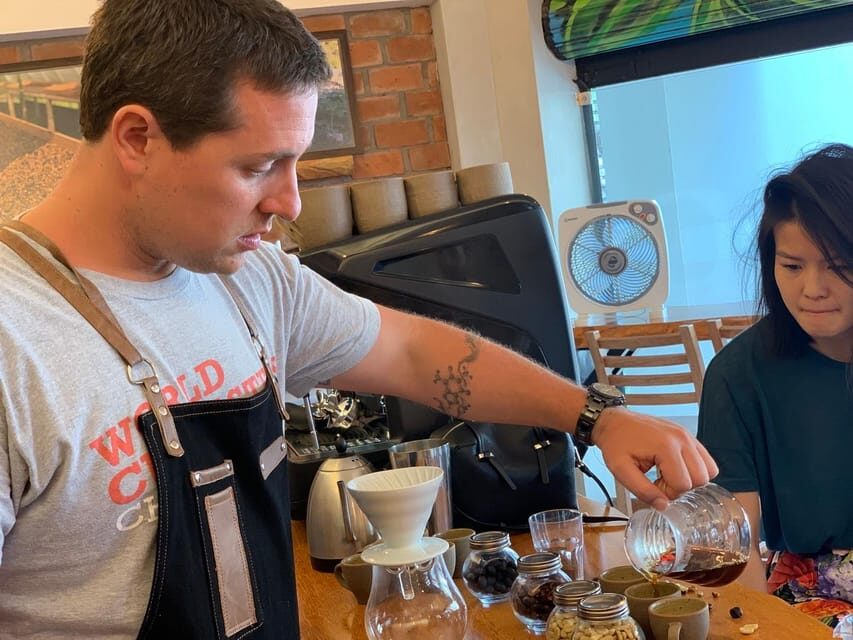
The last stop lands at Bolivarsito Bar, where you have the option to try seasonal exotic fruits. This is a smart final act because fruit brings lightness after the last round of savory food.
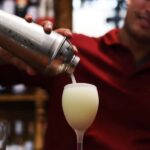
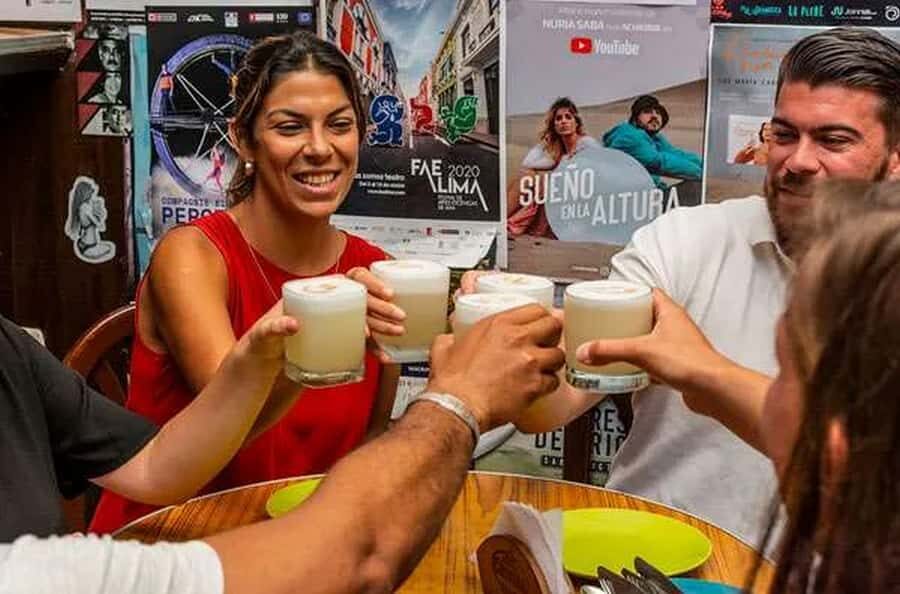
You’ll also find the iconic pisco sour here as an option. The tour data notes that pisco sour tasting is optional and not included in the price, so plan your budget if you want to try it.
This finale also gives you a moment to breathe. The tour highlights mention pristine vistas, and at the end of a food-walk day, that matters. You’ll want a pause where you can look around, enjoy the city energy, and let the tour sink in.
Price and value: is $75 a good deal for 3 hours?
At $75 per person for about 3 hours, the value comes from three things: the number of tastings, the guide support, and the route efficiency.
First, you’re trying 9 snacks plus drinks across multiple food zones, not just a handful of bites. If you were to recreate that on your own, you’d likely spend more than $75 once you factor in ordering mistakes, not knowing what to get, and paying for each stop individually.
Second, you’re getting a certified guide in English and Español. That cultural context is what turns eating into understanding. One recent experience described the guide as prepared with stories behind the foods, and that’s exactly what you want from a market tour.
Third, there’s real practical value in “how” the tour runs: express security check is included, and the meeting point keeps things simple. Also, food is included in the tour price, so you don’t keep doing quick mental math while you’re hungry.
Not included: you’ll want to handle your own transit to/from the meeting spot. The tour notes that transfers are not provided.
Who should book this Lima market food tour
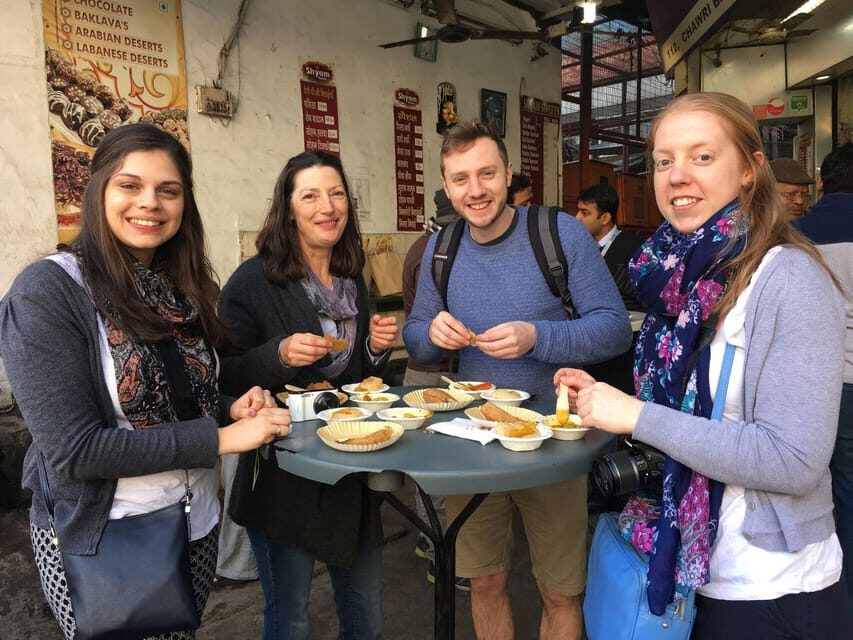
This tour fits best if you’re:
- New to Lima and want an organized way to start eating like someone who knows the city
- Excited by street food and market culture, not just polished restaurant meals
- Interested in food connections, especially the Peru–China link in Chinatown
- Short on time but willing to walk and taste
It’s also a good match for a first-time foodie who wants a gentle structure. You get enough variety to learn what you like, so later you can choose your own follow-up meals with more confidence.
If you’re very picky about raw ingredients or strong flavors, do message dietary restrictions when you book. The tour includes ceviche and multiple street bites, so your comfort matters.
A few practical tips so you enjoy every stop
Come with the right stomach. The tour specifically advises not to eat much beforehand because you’ll try many types of food and drinks. In real terms, that means aim for a light snack earlier or plan this as your main food window.
Wear shoes you can walk in. Central Lima market areas can involve uneven ground and lots of foot traffic. This is normal city-walking, not a museum stroll.
Bring curiosity, not a strict checklist. Yes, you’ll hit recognizable foods like ceviche, anticuchos, lucuma, and picarones. But the point is how the flavors talk to each other across neighborhoods.
If you’re traveling with a camera or want video clips, this tour style tends to allow quick moments for photos during tastings—so you’re not always asking for permission or rushing.
Should you book this Lima market food tour?
If your goal is to get a fast, local-feeling introduction to Lima’s food culture, I’d book it. The route connects the dots between Barrios Altos, Chinatown, and Central Market, and you get enough tastings to understand what you love.
I’d skip or rethink it if you hate walking, already ate a full meal before tours start, or know you can’t handle certain ingredients like ceviche-style raw fish. In that case, ask about dietary limits before you commit, and be realistic about what a 3-hour walking tasting format can do.
FAQ
FAQ
How long is the Lima Market Food Tour?
It runs for about 3 hours.
What does the tour cost?
The price is $75 per person.
Where does the tour start?
The starting point is Jr. Cusco 400.
What food and drinks are included?
Food is included in the tour price. The tour includes tastings like ceviche, lucuma juice, anticuchos, picarones, pan con chicharrón with emoliente, plus snacks such as siu mai and min pao, and seasonal exotic fruits at the end.
Is pisco sour included?
Pisco sour is not included. You have the option to try it at Bolivarsito.
Do I need to eat before the tour?
Try not to eat much before your tour, because you’ll try many different foods, snacks, and drinks.
Is transportation included?
No. Transfers are not included.
What languages are the guides?
The tour guide is available in English and Español.
What if I have dietary restrictions?
If you have any dietary restrictions, you should let the provider know when you book so they can accommodate you.