REVIEW · LIMA
Market Visit and Peruvian Cooking Classes and Pisco Sour
Book on Viator →Operated by Lala Peru Travel · Bookable on Viator
Surquillo market to pisco shaker in four hours. This Lima experience turns ingredient shopping into a hands-on cooking class, then caps it with the traditional story and mixing of Pisco Sour. I like that you learn by doing at a real pace, and I also like the market tastings—especially the exotic fruits you pick and try along the way.
The main thing to consider is that this is not a slow, wander-and-snack day. You’ll be moving from Kennedy Park to Surquillo, then into the Harmony Inn kitchen to cook and plate, so comfy shoes and a good appetite matter.
In This Review
- Key things I found most worth your time
- Why this Lima cooking class feels like real Peru
- Kennedy Park to Surquillo Market: where you get your flavor map
- The market fruit tasting that makes the class memorable
- Inside Harmony Inn Miraflores: cooking with Ursula and Piero
- Starter you’ll make: Limeño Cause (chicken or quinoa vegetarian)
- Main dish focus: sautéed loin with chicken or soy tofu option
- The Pisco Sour lesson: traditional mixing and where pisco comes from
- What you’ll eat, and what you’ll walk away with
- Price and logistics: $79 for a 4-hour English small-group class
- Who should book this Lima class (and who might skip)
- Should you book Lala Peru Travel’s market-to-kitchen experience?
- FAQ
- Where does the experience start in Lima?
- When does the tour start?
- How long does the experience last?
- How much is the tour?
- Is the tour offered in English?
- What is the maximum group size?
- What dishes and drinks are included in the sample menu?
- Is alcohol included, and is it served to everyone?
- Is it easy to get to the meeting point using public transportation?
- What is the cancellation policy for a full refund?
Key things I found most worth your time
- Surquillo Market first: you choose ingredients before you ever hit the cutting board
- Small group size (max 10): more hands-on help when you’re cooking
- A guided, practical kitchen flow: starter prep first, then plating the main dish
- Fruit tasting built in: you sample exotic fruit tied to what you choose at the market
- Traditional Pisco Sour session: you learn the mix method and taste
Why this Lima cooking class feels like real Peru
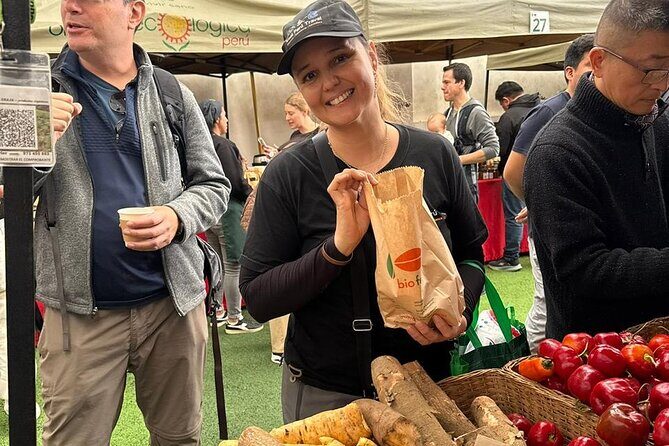
Lima has plenty of food tours that stop at places to eat. This one flips the order. You start with the market so you understand what the ingredients are and why they matter. Then you cook them. That connection is the whole value.
I like the structure because it keeps you from getting lost in foodie talk. You’re not just hearing about Peruvian food. You’re selecting products, preparing components, and then putting it all together on a plate. It’s also taught in English, which makes the whole thing easier to follow when you’re trying to remember what goes where.
At $79 per person for about 4 hours, the pricing makes sense if you judge it as a combo: market time + an in-person cooking class + meal tasting + the Pisco Sour lesson. If you’d pay separately for a market guide and a cooking class, this bundling usually wins.
The group cap at 10 travelers also matters. In a smaller class, you’re more likely to get direct help with technique, not just watch from the sidelines.
Other Peruvian cooking classes in Lima

Kennedy Park to Surquillo Market: where you get your flavor map
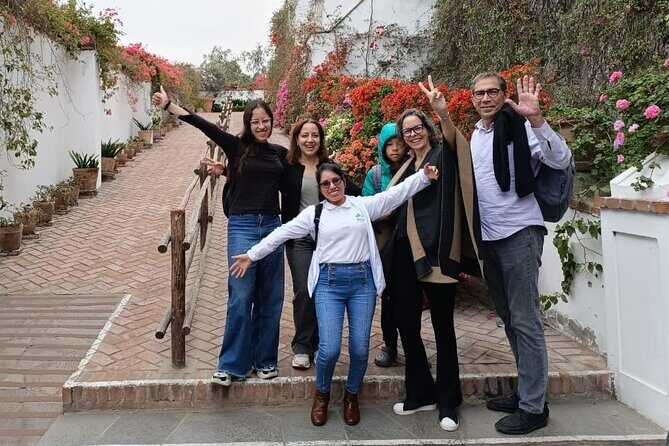
The day starts at Harmony Inn Miraflores, at Av. Ricardo Palma 642, and then you head out. After meeting, you walk over toward June 7 Park (Kennedy Park) area and continue on to Surquillo market.
This walk is more than a warm-up. It’s how you get your bearings fast and learn what’s around you in Miraflores and nearby. Once you reach the market, the focus turns to product choices—things you’ll actually cook later.
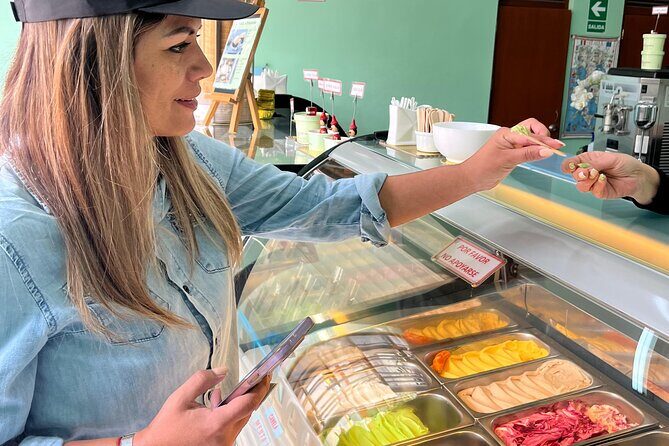
One small detail that I appreciate: you also stop to eat artisan ice cream while you’re out in the area. It’s not the main event, but it breaks up the market energy and gives you something sweet before your hands get busy.
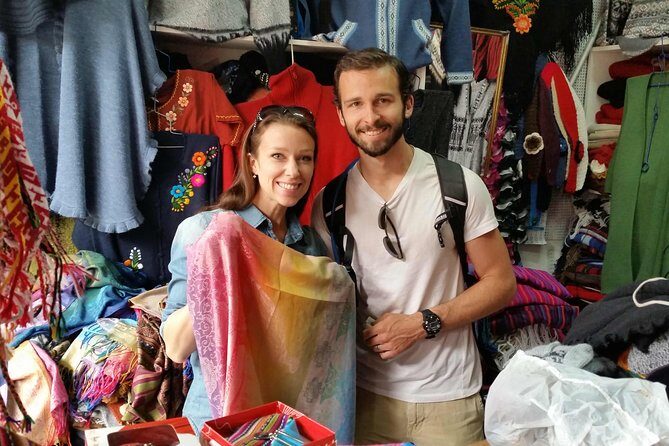
At Surquillo, you’re not just browsing. You’re seeing the ingredients and products you’ll end up using in class. For me, that’s where most cooking classes either shine or fall flat. When you pick ingredients yourself, you cook with more confidence later.
Practical tip: wear shoes you don’t mind in a crowded market setting, because you’ll be doing walking and standing between stops.
The market fruit tasting that makes the class memorable
A real highlight is the fruit moment. After you choose ingredients at the market, you also get a chance to taste exotic fruits you selected. You’ll enjoy the fruit and learn where each one comes from.
This is the kind of add-on that makes people remember the class weeks later, because it’s sensory and personal. You’re not eating generic fruit on a plate for show. You’re tasting items that match what you’re seeing and choosing in the market.
It also helps you think like a cook. Fruit flavors show up in sauces, balancing notes, and finishing touches across Peruvian food. Even if you’re not building a full menu at home, you start understanding flavor relationships better after tasting.
If you’re traveling with friends who think they only want “the big name dish,” this fruit stop is a good compromise. It’s fun. It’s educational. And it’s quick enough that you won’t lose the pacing of the cooking part.
Inside Harmony Inn Miraflores: cooking with Ursula and Piero
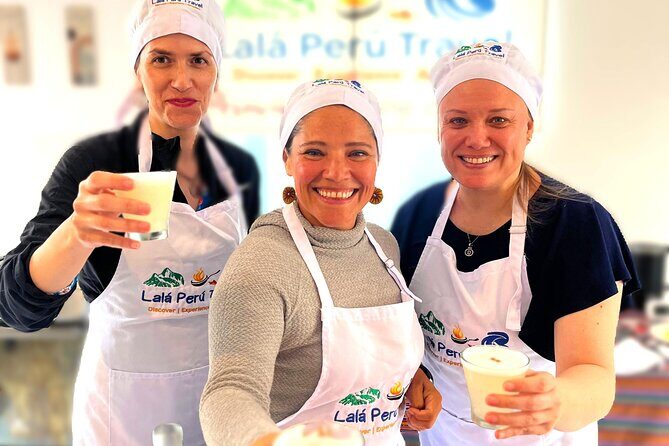
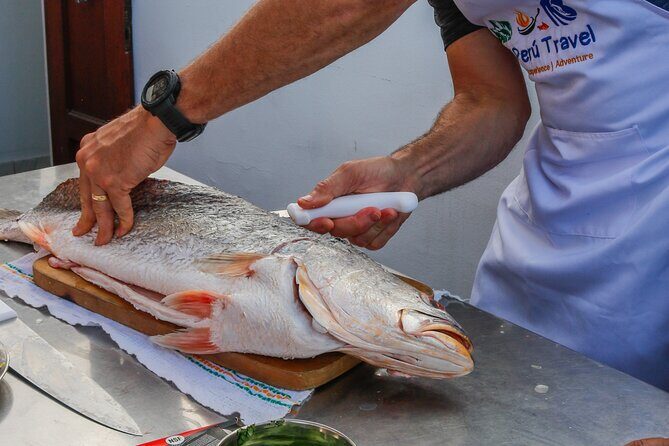
After the market, you head to Harmony Inn Miraflores, where the class begins in earnest. The cooking portion is organized like a real workflow: you choose your ingredients, start preparing, and build toward a starter and then a main.
You’ll start by selecting ingredients and cooking a starter first. Then you leave it ready while you get a fruit tasting break. After that, you continue with the main dish prep, organizing tools along the way so you can focus.
From the way the experience is delivered, it feels like they’re aiming for a balance: enough structure so you don’t get overwhelmed, but enough hands-on work that you leave knowing you can do this again.
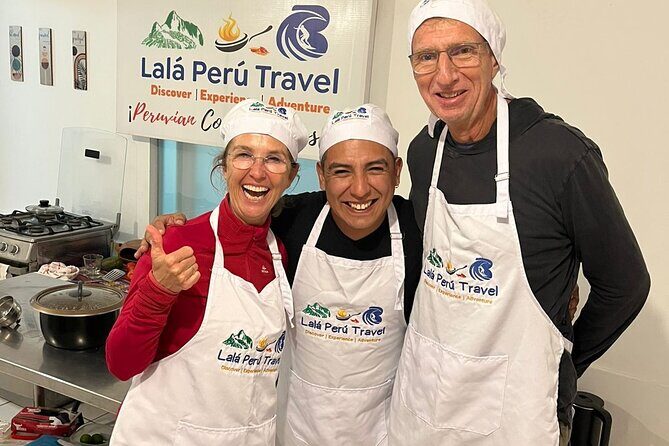
The instructors you’ll see named in guest feedback include Ursula and Piero. Guests describe having a great time with Ursula at the market, and they also mention Piero and his wife being helpful and kind during the experience. That kind of warmth matters in a cooking class, because you’re learning at a kitchen pace, not a restaurant pace.
Starter you’ll make: Limeño Cause (chicken or quinoa vegetarian)
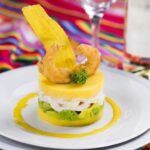
The sample menu starts with Limeño Cause as the starter. It’s a Peruvian-style cause base that you’ll prepare in class, and the format includes options.
In your session, the starter is built either with chicken or as a vegetarian option using quinoa. That option is a strong point for value because it means the class isn’t forcing a one-size-fits-all approach.
What I like about doing the starter first is that it sets your baseline flavors early. When you know what the starter tastes like, the main dish plating feels more intentional. You’re not jumping straight into a heavier dish without tasting and calibrating.
Also, because the class is paced around hands-on steps, you’re not just watching someone else make it. You’re doing the prep yourself, and that’s where the learning sticks.
If you’re the type who wants to recreate one dish later at home, a cause-style starter is a great candidate to remember, because it has clear components and recognizable flavors.
Other ceviche and pisco sour experiences in Lima


Main dish focus: sautéed loin with chicken or soy tofu option
For the main, the sample menu lists sautéed loin. The class also offers alternatives: the main can be prepared with chicken or with soy tofu.
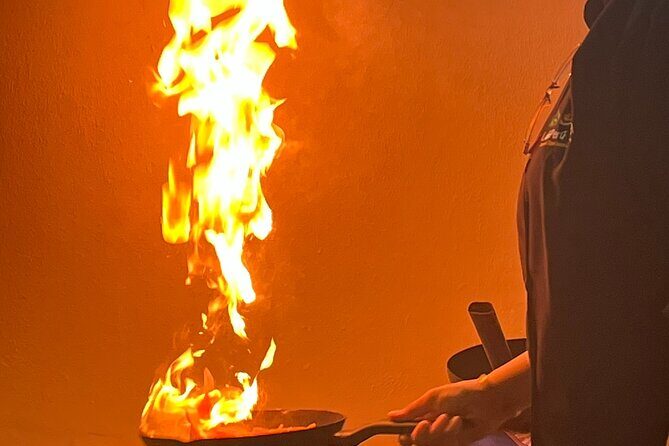
This is another value win. You’re getting a full cooking arc—starter then main—while still keeping dietary flexibility in mind. And because the main dish is sautéed, it’s an approachable technique to learn. You don’t need fancy equipment beyond what a kitchen can provide, and the flavors come from the way ingredients are handled in the pan.
The class process includes a step where the utensils are stored away once things are almost ready, then you shift into plating the main dish. That “reset” is practical. It reduces clutter and helps you focus on presentation at the end.
If you care about food that looks good on a plate, that plating step is part of why people walk away feeling they really did something, not just ate something.
One practical note for you: since this is a working kitchen session, you’ll do enough prep that you’ll feel the time pass quickly. That’s a plus if you hate long waits, and it’s a minus if you prefer downtime.
The Pisco Sour lesson: traditional mixing and where pisco comes from
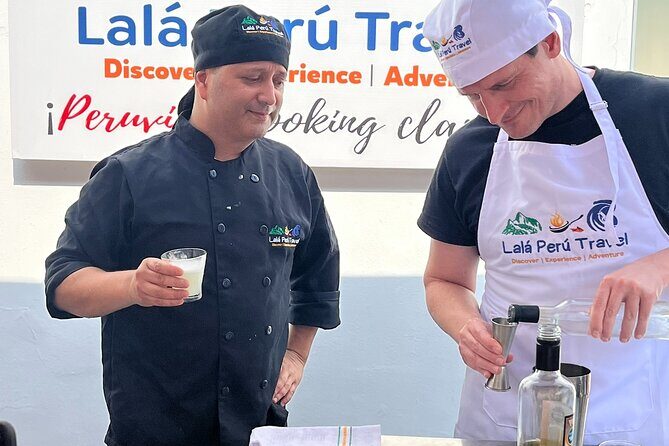
After the food, the experience shifts to Pisco Sour. You’ll get the history of the drink and also learn about where the pisco comes from. Then you move into preparation using the shaker in the traditional way, followed by tasting.
This is the part people usually remember most, because it’s interactive. It’s also a chance to see how a signature cocktail is made with method, not just vibes.
There’s also a clear alcohol policy built in: alcohol is only served to travelers over 21. If you’re under 21, you’ll be served non-alcoholic beverages. So the class still makes sense for younger travelers, even if they don’t participate with the alcoholic drink.
In the guest feedback, people mention washing down the meal with a delicious Pisco Sour, and at least one person highlighted that the class helped them make the best ceviche they ever made. Even if your priorities are mainly cause and sautéed loin, that kind of standout dish talk is a good signal that the cooking instruction goes beyond simple assembly.
If you want to order a Pisco Sour later and know what you’re tasting, learning the shaker method here is the real payoff.
What you’ll eat, and what you’ll walk away with
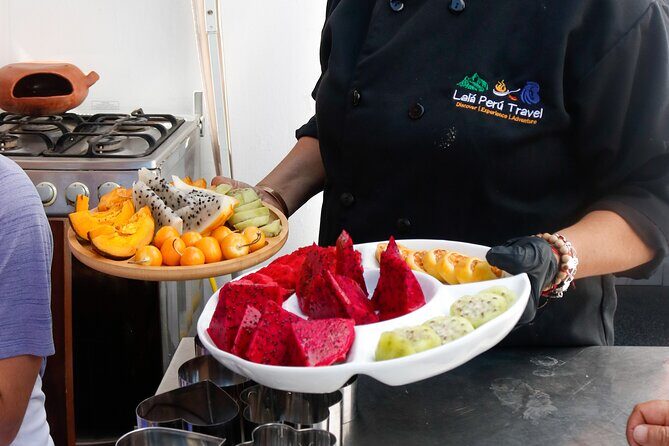
By the end, you’ll have eaten the starter and main you prepared, plus you’ll have tasted the exotic fruits from the market. You’ll also have the Pisco Sour experience if you’re 21+ (and non-alcoholic options otherwise).
There’s also time set aside for photos at the end, plus a moment to enjoy the food you made. That matters. In some classes, you cook fast and then there’s no time to actually sit and enjoy your own work. Here, they build in that final pause.
In practical terms, you’ll leave with:
- a clearer sense of which ingredients drive Peruvian flavor
- at least a couple of dishes you can reference later
- the know-how behind a traditional Pisco Sour method
And if you’re traveling with family, the class style can work well because it’s structured and the food is centered, not random.
Price and logistics: $79 for a 4-hour English small-group class
Let’s talk value. For $79 per person, you’re paying for a real meal experience with four parts:
1) Surquillo Market ingredient discovery
2) a hands-on cooking class (starter + main)
3) fruit tasting
4) Pisco Sour history + preparation + tasting
You also get an English-speaking experience and a small group limit of 10 travelers. In a city like Lima, that combination usually costs more when sold separately.
Logistics are also straightforward. The tour starts at Harmony Inn Miraflores and ends back at the meeting point. It’s near public transportation, which is helpful if you’re not taking taxis for everything. And you’ll receive a confirmation at booking and get a mobile ticket, which keeps the day stress-light.
Free cancellation is offered up to 24 hours in advance for a full refund, which gives you flexibility if your schedule shifts.
The only consideration I’d keep in mind is pacing: this is a coordinated run through market and kitchen, not a long leisurely day. If that sounds like your ideal, you’ll like it. If you want slow travel only, you might feel rushed.
Who should book this Lima class (and who might skip)
This tour fits best if you want food learning without turning it into a lecture. You’ll do market shopping, you’ll cook, and you’ll taste. If you’re the type who likes to leave knowing what to buy and how to use it, this is a strong choice.
I’d especially consider it if:
- you want an English-friendly activity in Lima that still feels local
- you like small groups where the teacher can check your technique
- you want hands-on Peruvian dishes, not just restaurant stops
- you’re curious about Pisco Sour beyond ordering one
I’d skip it if:
- you want a low-activity day with lots of free time
- you don’t like cooking at all and prefer purely observational tours
Should you book Lala Peru Travel’s market-to-kitchen experience?
Yes, you should book it if your goal is to connect Lima food to real ingredients and then cook them yourself. The pairing of Surquillo Market with a structured kitchen class is the main reason this works. You’re not just eating. You’re learning the flow of Peruvian cooking—starter first, then main, then the Pisco Sour method.
If you’re budget-aware, the $79 price looks fair because you’re getting more than one experience bundled together. And the small group cap helps the class feel personal.
Before you book, just be honest about one thing: this is a working 4-hour session. Bring hunger, bring comfortable shoes, and go in ready to cook and taste.
FAQ
Where does the experience start in Lima?
It starts at Harmony Inn Miraflores, Av. Ricardo Palma 642 Miraflores, Miraflores 15047, Peru.
When does the tour start?
The start time is 11:00 am.
How long does the experience last?
It lasts about 4 hours.
How much is the tour?
The price is $79.00 per person.
Is the tour offered in English?
Yes, it is offered in English.
What is the maximum group size?
The tour has a maximum of 10 travelers.
What dishes and drinks are included in the sample menu?
You’ll cook a starter of Limeño Cause and a main of sautéed loin (with options mentioned for chicken or soy tofu). The experience also includes exotic fruit tastings and a Pisco Sour preparation and tasting.
Is alcohol included, and is it served to everyone?
Alcoholic beverages are only served to travelers over 21. Guests under 21 will be served non-alcoholic beverages.
Is it easy to get to the meeting point using public transportation?
Yes. The meeting area is near public transportation, and the tour allows service animals.
What is the cancellation policy for a full refund?
You can cancel up to 24 hours in advance of the experience for a full refund.