REVIEW · LIMA
Lima Cooking Class
Book on Viator →Operated by Free Walking Tour Barranco · Bookable on Viator
Ceviche starts with confidence. In this Lima cooking class, I like the tight max 8-person group and the chance to cook with chef Andres Rosas, who teaches in English. One thing to consider: the start time is 5:30 pm, so you’ll want to plan your evening around it.
You’ll move through a simple, evening-sized lesson that ends with what you make—ceviche mixto, lomo saltado, and a pisco sour to go with dinner. It’s structured enough that you won’t feel lost, but hands-on enough that you actually come away with usable skills.
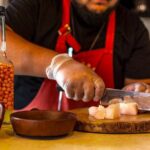
The best part for me is the way the chef teaches: he makes the dish first, then helps you build your own version right afterward. That makes the cooking feel personal, not like a show you watch from the sidelines.
In This Review
- Key Highlights Worth Your Time
- Lima Cooking Class With Chef Andres Rosas: The Real Point
- Small Group Size: Why Max 8 People Changes Everything
- Chef Andres Rosas Teaches in a Way You Can Copy
- 5:30 pm to Dinner Table: How the Evening Actually Flows
- What that means for you
- Ceviche Mixto: Starter Lessons You’ll Use Again
- Likely takeaway
- Lomo Saltado: Fire-Seared Meat and the Heat Lesson
- What you should pay attention to
- Pisco Sour: The Cocktail That Belongs With Dinner
- What You Eat (and Why It’s a Smart Mix)
- Chorrillos Stop: The Small Change That Keeps It Interesting
- Price and Value: Is $84 for Two Hours Fair?
- Language and Timing: Quick Practical Notes
- Who This Lima Cooking Class Is Best For
- Should You Book This Lima Cooking Class?
- FAQ
- What is the location of the Lima cooking class?
- How much does the cooking class cost?
- How long is the experience?
- What time does it start?
- How many people are in the group?
- What language is the class offered in?
- What dishes are included?
- Where does the tour end?
- What is the cancellation policy?
- FAQ
- Is there a mobile ticket for this experience?
- Will I receive confirmation after booking?
- Is the experience near public transportation?
- Are service animals allowed?
- What happens if it’s canceled because the minimum number of travelers isn’t met?
Key Highlights Worth Your Time
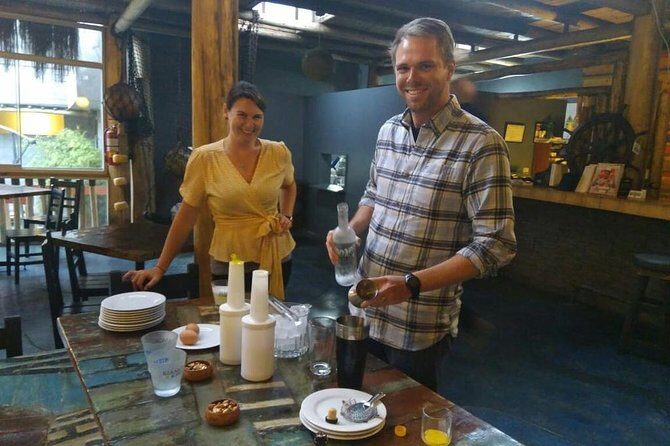
- Max 8 people means more direct help and less waiting around
- Chef Andres Rosas (English-friendly) keeps the pace clear and the steps understandable
- Hands-on ceviche with guidance, plus room to adjust flavors like sweet-spicy
- Lomo saltado cooked with lots of fire for that seared-meat lesson
- Dinner plus cocktail included, so you’re not paying extra to eat afterward
- You’ll start in Cercado de Lima and head to Chorrillos for the first stop, then return to the meeting point
Lima Cooking Class With Chef Andres Rosas: The Real Point

If you want Peruvian food that feels practical, not just impressive, this is the kind of class that fits. You’re not only learning recipes. You’re learning why certain steps matter—especially when it comes to ceviche timing and getting the right sear on the meat for lomo saltado.
The group size is small enough that you can ask questions without yelling across the room. And because the chef is a working professional—Andres Rosas runs the show—his instruction feels grounded in real kitchen logic, not theory.
Other Peruvian cooking classes in Lima



Small Group Size: Why Max 8 People Changes Everything
Most cooking classes turn into a production line. Someone demonstrates. Everyone watches. Then you get a quick turn.
Here, the maximum of eight travelers matters because you get more coaching while you’re actually working. That’s when mistakes happen: chopping too big, mixing too early, letting meat sit before it hits the heat, and so on. In a small group, you can fix those things on the spot.
It also makes the atmosphere easier for conversation. If you’re solo, you’re not stuck next to strangers without a way to connect. If you’re with a partner or friends, you still get individual attention.
Chef Andres Rosas Teaches in a Way You Can Copy

The chef’s approach is clear: he starts by making the meal or drink first, then you get your hands on it. That means you can see the final result before you’re asked to reproduce it.
That teaching style is especially helpful for ceviche and lomo saltado, where small timing and heat choices can make a noticeable difference. It’s also a relief if you’re not a confident cook. You’re not guessing—you’re following an order that makes sense.
One more plus: the chef speaks good English, and in past groups he’s been accommodating with food allergies. If you have dietary needs, it’s worth mentioning ahead of time when you book, so you can set expectations.
5:30 pm to Dinner Table: How the Evening Actually Flows
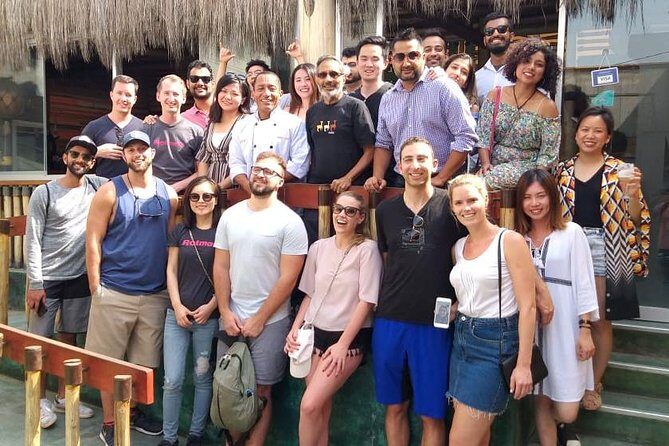
This experience runs about two hours, starting at 5:30 pm. You meet at P.º Soldado Desconocido 209, Cercado de Lima 15064, Peru, and the activity ends back at the meeting point.
You’ll also make a first stop in Chorrillos before your core cooking time. You can think of that as a warm-up: you get out of “just sightseeing” mode and into a food-focused rhythm before you start chopping and cooking.
Because it’s a short evening, the pacing is intentional. You won’t spend hours on one dish. Instead, you’ll learn three core staples—starter, main, and cocktail—so you leave with a mini map of what Peruvian cooking tastes like.
What that means for you
If your time in Lima is tight, this schedule is friendly. It’s long enough to learn real steps, but short enough that you’re still likely to be able to do a night walk or grab a second drink afterward if you want.
Other cooking classes in Lima



Ceviche Mixto: Starter Lessons You’ll Use Again
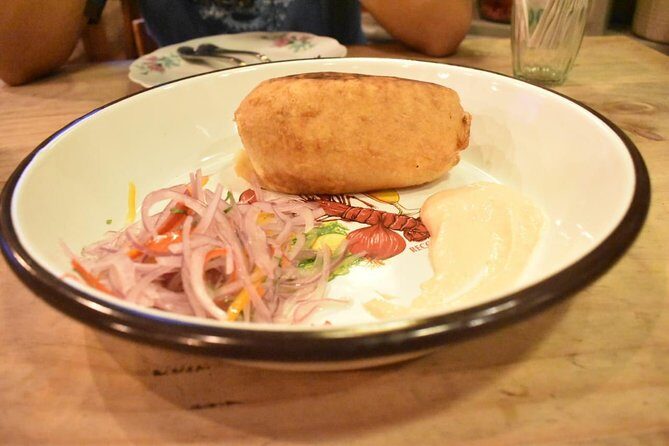
Ceviche can look simple, but it’s one of those dishes where technique matters. In this class, you make ceviche mixto as the starter, guided step by step while you’re learning how the flavors come together.
The key value here isn’t just eating ceviche. It’s understanding how you can shape it. In one class experience, a participant created a sweet/spicy version, and another made a variation with an Asian flair. That’s a strong signal that you’re not locked into one flavor mold.
So when you leave, you can treat ceviche like a base recipe you can adjust. Want it brighter or a bit more rounded? Prefer a stronger kick? The class helps you see what drives the taste, so you can experiment later without ruining the whole batch.
Likely takeaway
You’ll walk away with a mental checklist: the ingredients, the order, and the idea that balancing flavors is part of the craft—not an afterthought.
Lomo Saltado: Fire-Seared Meat and the Heat Lesson
Next up is lomo saltado, one of Peru’s best-loved comfort-meets-street-food dishes. What I love about this part is the direct focus on the cooking moment: you’ll learn about getting perfectly seared meat for maximum flavor.
And yes, there’s a lot of heat involved. One of the most memorable parts described is cooking in the chef’s kitchen with lots of fire. Even if you’ve cooked before, high heat changes behavior: food sears faster, moisture behaves differently, and timing becomes everything.
The class structure helps with that. You’re not thrown into the chaos. You get taught, then you cook your own version of the dish right after the chef demonstrates.
What you should pay attention to
Watch for the difference between “cooked” and “seared.” The whole flavor profile comes from that crisp, browned surface—not just from reaching the right internal doneness.
If you like food that tastes bold and satisfying, lomo saltado is a great main to learn because the technique applies to other stir-fry style meals too.
Pisco Sour: The Cocktail That Belongs With Dinner
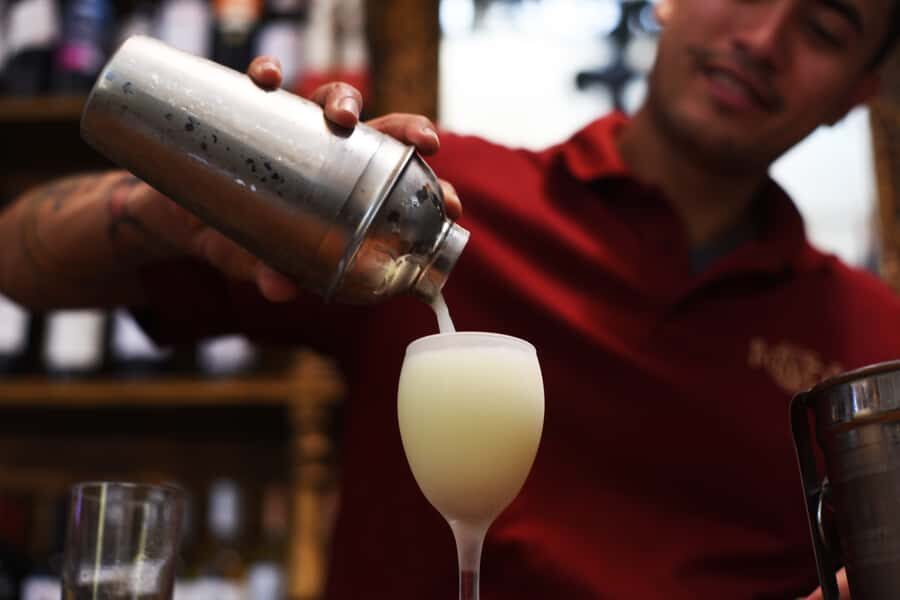
The class includes your dessert/cocktail option: pisco sour. That matters because it turns the experience into a complete evening, not a quick snack after a cooking lesson.
More importantly, pisco sour is a flavor anchor. It gives you the chance to taste one of Peru’s iconic drinks in the same context as the meal, so you can connect acidity, sweetness, and how it pairs with salty ceviche and savory lomo saltado.
You’ll finish the experience ready to talk about what you tasted and why it worked, rather than just remembering a drink’s name.
What You Eat (and Why It’s a Smart Mix)
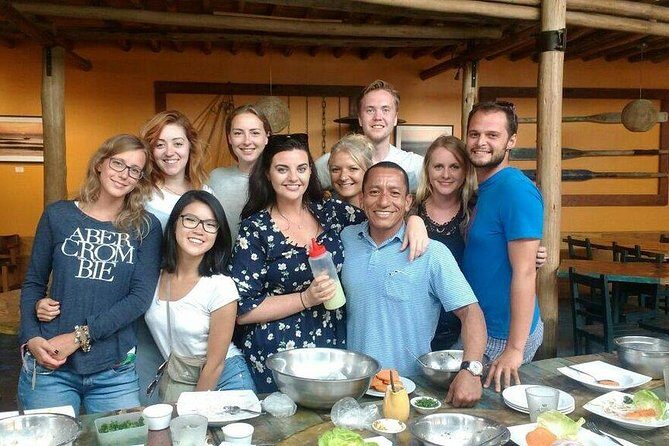
Your included meal is built around three Peruvian staples:
- Ceviche mixto (starter)
- Lomo saltado (main)
- Pisco sour (dessert/cocktail)
That combo is clever for a couple of reasons. First, it covers raw/citrus cooking, hot searing/stir-fry cooking, and a classic cocktail. Second, you’ll experience how Peru balances fresh brightness with hearty comfort flavors.
If you want one class that gives you a real feel for Peruvian cuisine without turning the evening into a food marathon, this menu does the job.
Chorrillos Stop: The Small Change That Keeps It Interesting
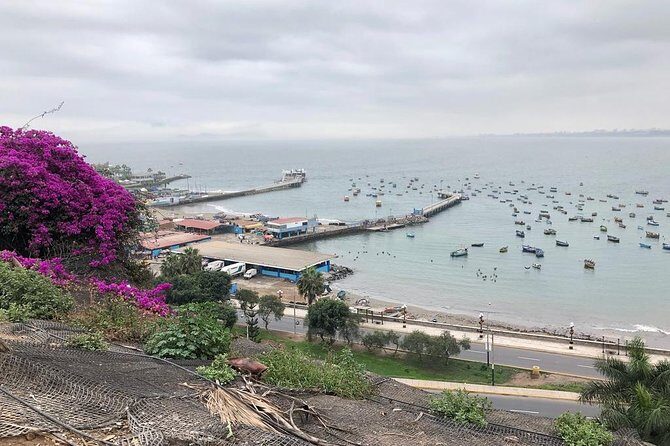
You’ll have a first stop in Chorrillos during the experience. While cooking is the main event, I like having a location change early on because it keeps the evening from feeling like you walked into a kitchen with no context.
It also helps you remember that you’re not just learning recipes. You’re learning how local food fits into Lima’s neighborhoods and routines. Even a short shift like this can make the meal feel more connected to the city.
Price and Value: Is $84 for Two Hours Fair?
At $84 per person for about two hours, this isn’t a cheap activity—but it’s also not pricing you like a private chef experience.
Here’s where the value comes from:
- Small group (max 8), so you’re paying for attention and hands-on time
- Professional chef instruction under the guidance of Andres Rosas
- Dinner included from what you cook: ceviche and lomo saltado
- Cocktail included with the pisco sour
- Cooking + eating are tied together, so you’re not paying extra to find dinner after
If you were doing all of this on your own, you’d likely spend on ingredients, and you’d still miss the technique coaching—especially the heat/searing lesson.
For me, the price makes sense if you want to leave with practical skills you can repeat, not just a plated meal.
Language and Timing: Quick Practical Notes
This experience is offered in English, which is a big deal for accuracy in cooking steps. In a kitchen, details matter. Being able to follow the instruction clearly helps your results.
The start time is 5:30 pm, and the tour ends back at the meeting point. So treat it as an evening plan, not a quick afternoon add-on.
Who This Lima Cooking Class Is Best For
This is a strong fit if:
- You want a hands-on Lima cooking class rather than a tasting-only tour
- You care about learning technique, not just collecting recipes
- You’re traveling with someone and want an activity that ends with a meal you made together
- You like small groups and direct coaching
If you’re a total beginner, you’ll likely feel supported because the chef demonstrates first and then guides your version. If you’re an experienced cook, you’ll probably enjoy the heat/searing lesson and the idea of tweaking flavor profiles like ceviche.
Should You Book This Lima Cooking Class?
I’d book it if your goal is to learn three Peruvian staples in one evening and leave with confidence you can use later. The small group size, the English instruction, and the fact that you eat what you make all push it in the right direction.
Before you book, just make sure the 5:30 pm timing works with your schedule, and if you have allergies or dietary needs, plan to communicate them at booking. That’s the kind of detail that keeps your experience smooth.
If you want a food-focused Lima moment that feels personal and practical, this class is a very solid choice.
FAQ
What is the location of the Lima cooking class?
The meeting point is P.º Soldado Desconocido 209, Cercado de Lima 15064, Peru.
How much does the cooking class cost?
The price is $84.00 per person.
How long is the experience?
It lasts about 2 hours.
What time does it start?
The start time is 5:30 pm.
How many people are in the group?
It has a maximum group size of 8 travelers.
What language is the class offered in?
The class is offered in English.
What dishes are included?
You’ll make and eat Ceviche mixto, Lomo Saltado, and Pisco sour.
Where does the tour end?
It ends back at the meeting point.
What is the cancellation policy?
Free cancellation is available. You can cancel up to 24 hours in advance of the experience start time for a full refund.
FAQ
Is there a mobile ticket for this experience?
Yes, it includes a mobile ticket.
Will I receive confirmation after booking?
Confirmation will be received at the time of booking.
Is the experience near public transportation?
Yes, it’s near public transportation.
Are service animals allowed?
Yes, service animals are allowed.
What happens if it’s canceled because the minimum number of travelers isn’t met?
If it’s canceled for that reason, you’ll be offered a different date or experience, or you’ll receive a full refund.