REVIEW · LIMA
Private Cooking Class with a Native Chef & Local Market Tour
Book on Viator →Operated by Peruvian Worldview Tours · Bookable on Viator
Cooking Peru, step by step, in Lima. You start with ingredient shopping at Mercado N. 2 de Surquillo alongside your chef, then head to the Miraflores kitchen to cook your own Peruvian food. It’s practical food education, not just a show.
I especially liked two things: first, the market time led by Chef David and guided by Pamela, where you learn what actually matters in Peruvian cooking. Second, you cook classics like Causa and Lomo Saltado, with helpful explanations that turn ingredients into real technique. One possible drawback: it’s a focused 4-hour block, so if you want a long, lazy evening plan, this may feel a bit scheduled.
In This Review
- Key highlights worth your attention
- Surquillo market to your own plate in Miraflores
- How the Mercado N. 2 de Surquillo stop actually helps your cooking
- Miraflores cooking area: 3 hours of hands-on Peruvian food
- Pickup and small-group setup that keeps the day from feeling chaotic
- English-friendly cooking class, with real cultural ingredient talk
- Price and value: is $76 per person a fair deal?
- Who should book this class (and who might not)
- Should you book this Lima private cooking class?
- FAQ
- FAQ
- What is the duration of the Private Cooking Class with a Native Chef & Local Market Tour?
- Where does the tour include a market stop?
- How long do you spend cooking?
- Is pickup available, and from where?
- What is the maximum group size?
- What language is the tour offered in?
- How much does the tour cost?
- Is there an admission fee for the market stop?
- How far in advance is this tour typically booked?
- What is the cancellation policy?
Key highlights worth your attention
- Surquillo market shopping with the chef so you know what you’re buying and why
- Miraflores cooking time (about 3 hours) to actually make your meal, not just watch
- Hands-on Peru classics including Causa and Lomo Saltado
- Potato education on an impressive scale (more than 3,000 varieties)
- Small group size (max 6) for better attention while you cook
- Pickup from several Lima areas if you’re staying in Miraflores, Barranco, San Isidro, or downtown
Surquillo market to your own plate in Miraflores
This tour works because it links two worlds that usually stay separate on food trips: the market, and the kitchen. You don’t just show up to eat. You go see ingredients up close, then use them. That single flow helps a lot when you’re trying to understand Peruvian cooking beyond the basics.
In the Surquillo market stop, the chef walks you through what you need for your session. You get to shop with guidance, which means you’re less likely to leave confused about what something is or how it gets used. Then you move to the cooking area in Miraflores for hands-on prep.
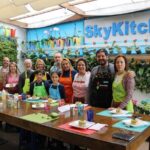
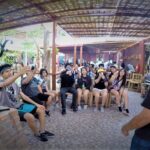
The group is small, with a maximum of 6 travelers, so the kitchen time doesn’t feel like a crowded demo. Most people can participate, and the whole experience runs about 4 hours total, so it’s a solid half-day plan that doesn’t swallow your itinerary.
Other Peruvian cooking classes in Lima
How the Mercado N. 2 de Surquillo stop actually helps your cooking
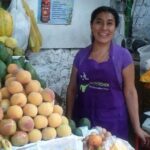
This is the short, important warm-up: about 30 minutes at Mercado N. 2 de Surquillo with free admission ticket for this stop. You’re not spending an entire afternoon browsing. You’re using that market time to build a shopping list that matches what you’ll cook later.
What makes this market stop valuable is the way it’s tied to technique. Instead of only pointing at ingredients, your chef shows you what matters. From the example of Chef David’s session, you can expect that kind of teaching: explaining why ingredients are important in Peruvian culture and how they show up in everyday dishes.
A standout lesson from the class: the chef-and-guide team focused on potatoes in a big way. You’ll hear that Peru has 3,000+ varieties of potatoes, and you may even see multiple types prepared in simple ways for sampling. That kind of perspective changes how you think about what’s on your plate—because it’s not one potato, it’s a whole range of flavors and textures.
The market stop is also a good way to get your bearings. You’re in Lima, you’re seeing how locals shop, and you’re doing it with someone who can translate the why behind the what. If you’ve ever felt like market tours are just wandering with no payoff, this one is built to connect directly to what you’ll cook.
Miraflores cooking area: 3 hours of hands-on Peruvian food
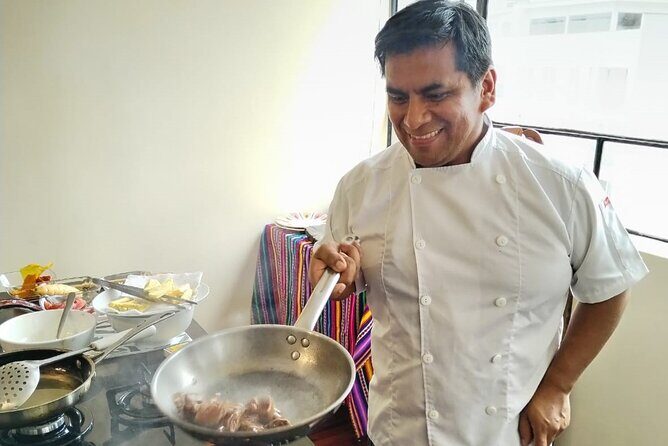
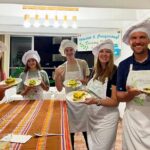
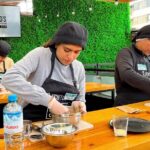
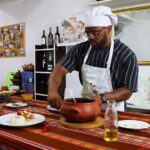
After the market run, you move into the cooking area in Miraflores, where the main work happens. Expect about 3 hours here, with you preparing your own Peruvian meal rather than sitting through a long lecture.
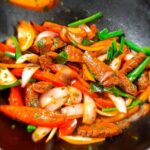
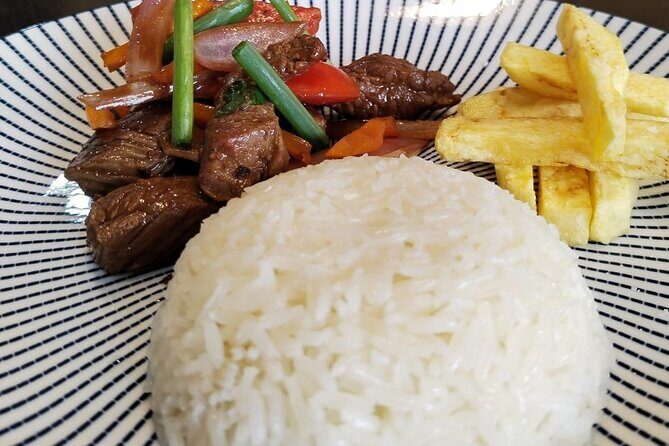
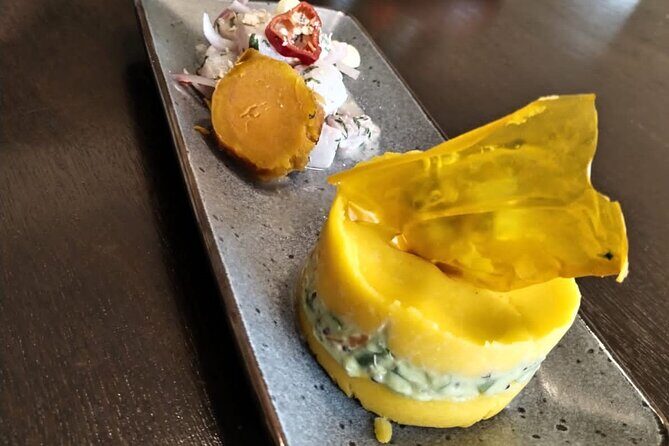
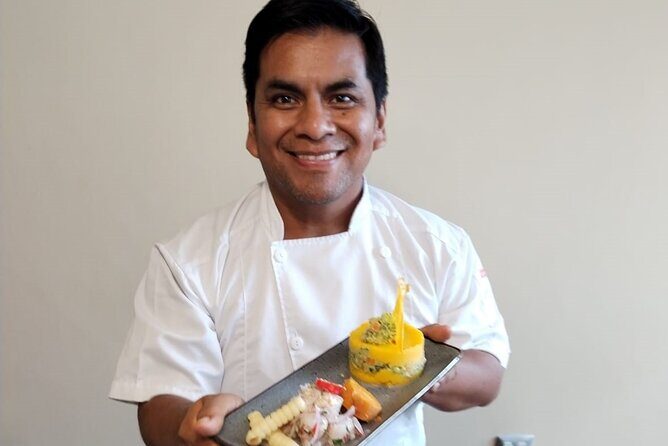
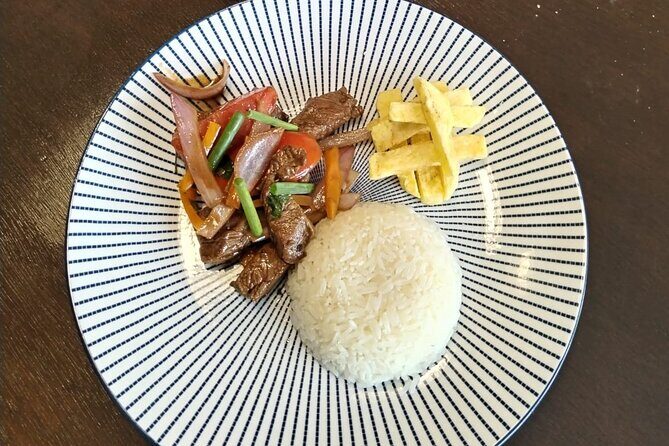
In the class example, the group ended up making two popular dishes: Lomo Saltado and Causa. That’s a strong combo for learning because it gives you both savory stir-fry style technique and a more plated, structured dish approach. You get a path from ingredients to final flavor, and you’re not stuck guessing what comes next.
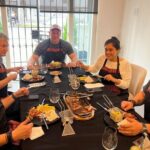
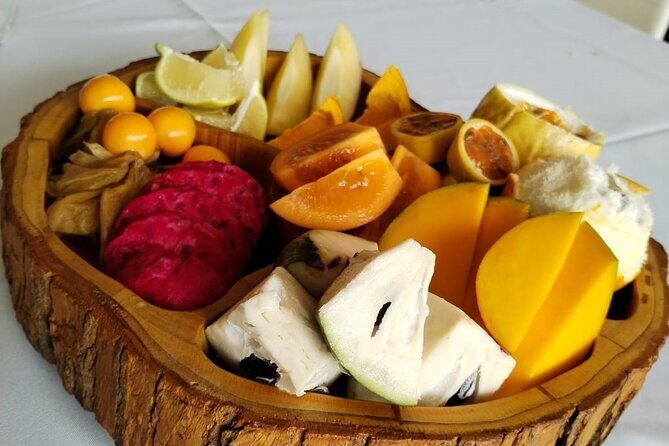
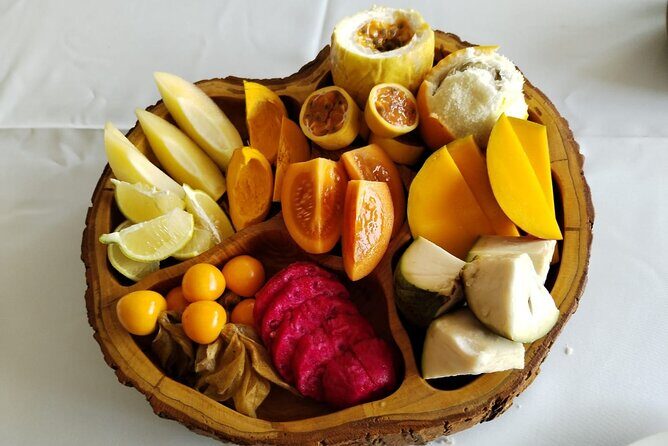
There’s also usually a tasting moment built into the session. In the best version of this experience, the chef samples and teaches using multiple preparations. Chef David reportedly prepared about eight varieties of potatoes in simple forms for sampling, and there was also fruit sampling involved. You don’t need to be a food expert to enjoy it. In fact, the sampling is often what makes the explanation click—your brain can link the ingredient lesson to a real taste.
The overall tone tends to be friendly and practical. The chef makes processes feel learnable. If you’ve watched cooking classes before and thought, I can never do that at home, this is the type that tries to make technique approachable—step by step.
One consideration: you’ll be actively cooking for a good chunk of time. It’s not a casual stroll-and-snack. If you’re traveling with very limited mobility or stamina, it’s worth thinking through your comfort level with kitchen standing and hands-on prep.
Pickup and small-group setup that keeps the day from feeling chaotic
This tour is designed around the idea that Lima traffic and navigation shouldn’t steal your cooking time. Pickup is offered from Miraflores, Barranco, San Isidro, or Lima Downtown. That matters because you spend more of your morning/afternoon focused on food, not coordinating transport.
It’s also capped at a maximum of 6 travelers, which is a big deal in cooking. More people can turn a kitchen class into a waiting game. With a small number, the chef and guide can check in while you’re prepping and tasting.
For logistics, you’ll get a mobile ticket, and you receive confirmation at booking time. The tour is offered in English, and it’s listed as near public transportation, which helps if you’re staying somewhere outside the pickup zones.
One “value” angle here is psychological. When you’re not scrambling to find the meeting spot or manage a long queue, you can actually pay attention. You’ll learn more. You’ll also enjoy the pacing better, because you’re not stressed.
English-friendly cooking class, with real cultural ingredient talk
Some cooking classes teach recipes. This one focuses more on how ingredients connect to Peruvian food culture. That’s where the chef’s role matters.
In the example session, Chef David teamed up with guide Pamela. Having a dedicated guide helps because you can ask questions in the moment and get context without interrupting the cooking rhythm. It also makes the market time feel less like shopping alone and more like learning in a structured way.
The English component is practical, too. You can follow along with ingredient names and instructions without relying on guesswork. If you’ve ever cooked from a recipe after travel and thought you missed half the point because of one unclear ingredient, this kind of guided explanation helps you return home with more than a memory.
And the cultural ingredient lessons go beyond trivia. Learning about the range of potato varieties and seeing multiple types sampled supports an idea that shows up everywhere in Peruvian food: technique depends on ingredients, and ingredients depend on local knowledge.
Other market and fruit tasting tours in Lima

Price and value: is $76 per person a fair deal?
At $76 per person for about 4 hours, this isn’t a bargain-basement snack tour. It’s also not priced like a luxury show. The value comes from three things you actually get:
1) You shop with the chef at a real market stop (not just a photo pit stop).
2) You cook your own dishes for about 3 hours, so you’re participating the whole way.
3) You get structured ingredient education, including impressive potato variety context and tastings.
If your goal is to eat one good meal and take photos, you may find cheaper options around Lima. If your goal is to leave understanding how Peruvian cooking works—especially ingredients—this price starts to make more sense.
Also, with a max of 6 travelers, you’re paying for attention. That’s one reason cooking classes can cost more than restaurant meals: your time is being “bought” in coaching and guided setup.
One timing note that affects value: this experience is booked on average about 55 days in advance. If you wait until the last week, you may have fewer choices for your preferred day/time, which is when the price feels less worth it.
Who should book this class (and who might not)
This tour is a strong match if you want a hands-on food experience with guidance. I’d especially point you here if you like cooking, want to shop like a local for ingredients, and enjoy learning the why behind what you eat.
It also fits solo travelers who don’t want a group chaos vibe. Small-group size helps. Couples often like it, too, because it gives you a shared activity and a shared outcome: food you made.
You might think twice if you’re looking for a long sightseeing day with minimal kitchen time. This is mostly about cooking and learning ingredients, not long tours of neighborhoods.
And if you’re sensitive to standing or active food prep, consider your comfort. You’ll be cooking for about 3 hours after the market stop, so plan accordingly.
Should you book this Lima private cooking class?
I think you should book it if you want a practical, ingredient-focused Lima experience that ends with real dishes you made—especially if you’re interested in Peruvian staples like Causa and Lomo Saltado. The chef-led market start and small group size are the kind of details that turn a class into an actual skill-building outing.
Skip it if you mostly want casual eating with low effort. This tour asks you to participate.
FAQ
FAQ
What is the duration of the Private Cooking Class with a Native Chef & Local Market Tour?
The tour runs for approximately 4 hours.
Where does the tour include a market stop?
The first stop is Mercado N. 2 de Surquillo for about 30 minutes.
How long do you spend cooking?
The Miraflores cooking area time is about 3 hours.
Is pickup available, and from where?
Pickup is offered from Miraflores, Barranco, San Isidro, or Lima Downtown.
What is the maximum group size?
The tour has a maximum of 6 travelers.
What language is the tour offered in?
The experience is offered in English.
How much does the tour cost?
The price is $76.00 per person.
Is there an admission fee for the market stop?
The market stop includes an admission ticket labeled as free.
How far in advance is this tour typically booked?
On average, it is booked 55 days in advance.
What is the cancellation policy?
You can cancel for a full refund up to 24 hours before the experience’s start time, and free cancellation is offered according to that rule.