REVIEW · LIMA
Lima: Market Tour and Cooking Class with Pisco Sour
Book on GetYourGuide →Operated by Exquisito Peru – Food Tours · Bookable on GetYourGuide
Spice, citrus, and fruit stories all in one. I like the market fruit tasting and the fact you actually cook three classic dishes instead of watching from the sidelines. The one thing to consider is logistics: there’s no hotel pickup, and you’ll be on your feet for much of the 150 minutes.
This is a small-group Lima food tour (up to 10 people) that starts at Surquillo Market and then shifts to a nearby restaurant kitchen to work with a local chef. You’ll finish by eating what you made, toasting with your pisco sour, and adding a traditional dessert to close the loop.
In This Review
- Key things that make this Lima tour worth your time
- From Surquillo Market to your cutting board
- The market fruit tasting: how to taste with purpose
- Ceviche in real life: citrus, timing, and crisp garnishes
- Causa rellena: comfort food with a structure lesson
- Pisco sour: shaking the balance between lime and foam
- Your meal and dessert: what you’ll actually eat
- Price and value for 150 minutes of hands-on food
- Meeting point reality: where you need to be
- What to bring (so the class feels easy, not annoying)
- Who should book this cooking class, and who should skip it
- Should you book the Lima Market Tour and Cooking Class?
- FAQ
- How long is the tour?
- Is hotel pickup included?
- Where do we meet the guide?
- How big is the group?
- What do we cook during the class?
- Is dessert included?
- Does the tour require cooking experience?
- What language is the tour guide?
- What should I bring?
- Is it suitable for people with food allergies or who are pregnant?
Key things that make this Lima tour worth your time
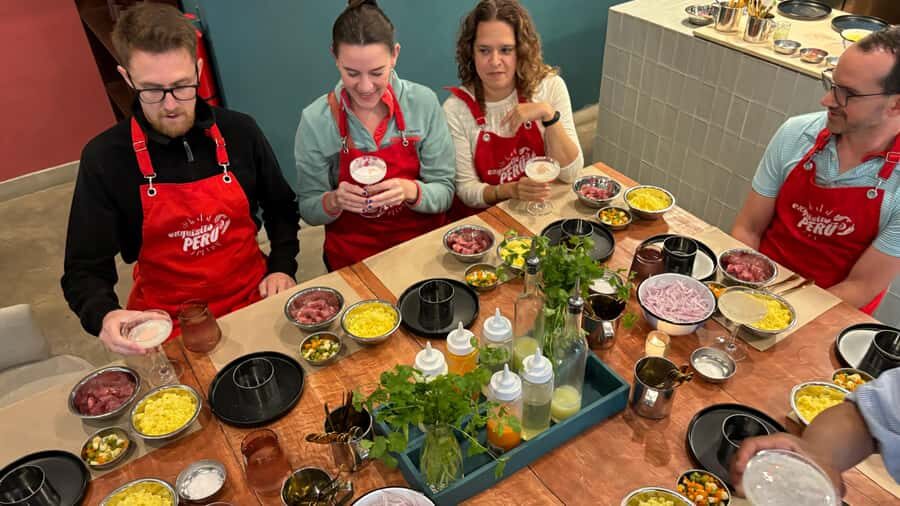
- Surquillo Market fruit tasting: four fruits picked for their cultural meaning and distinct flavors
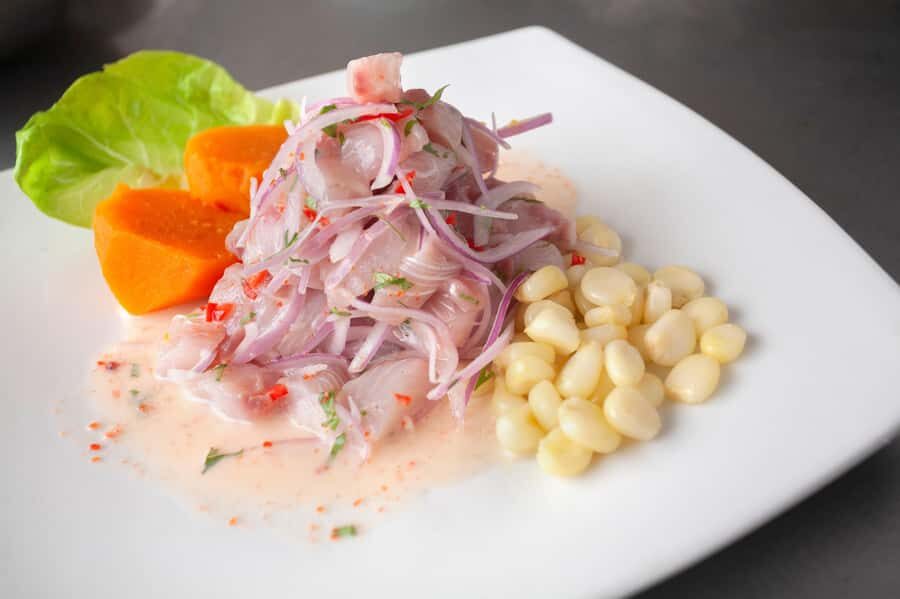
- Hands-on ceviche prep: fish marinated in citrus, finished with garnishes like red onion and sweet potato
- Causa rellena you build layer by layer: smooth mashed potato base with avocado and a chicken or seafood filling
- Pisco sour mixing lesson: pisco brandy, lime, egg white foam, and Angostura bitters
- You eat everything you make: plus a Peruvian dessert to round it out
- Small group size (max 10): more attention while you cook and mix drinks
From Surquillo Market to your cutting board
Lima has food everywhere, but it’s easy to walk past it without learning what you’re seeing. This tour fixes that by starting in Surquillo Market with an English-speaking guide who keeps the pace friendly and the focus practical. You’ll spend the first part of the experience walking through stalls selling fresh produce and ingredients that show up in Peruvian cooking every day.
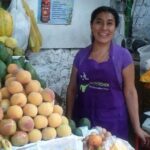
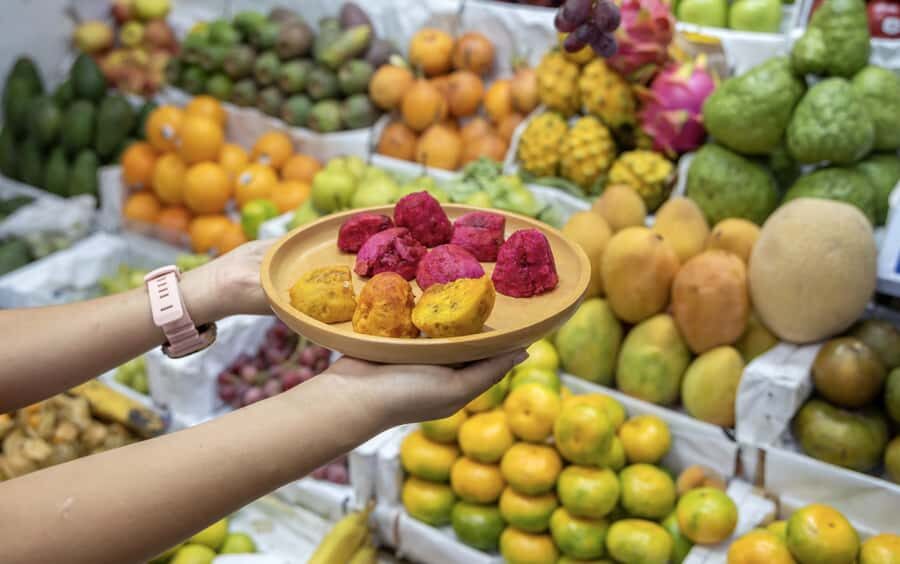
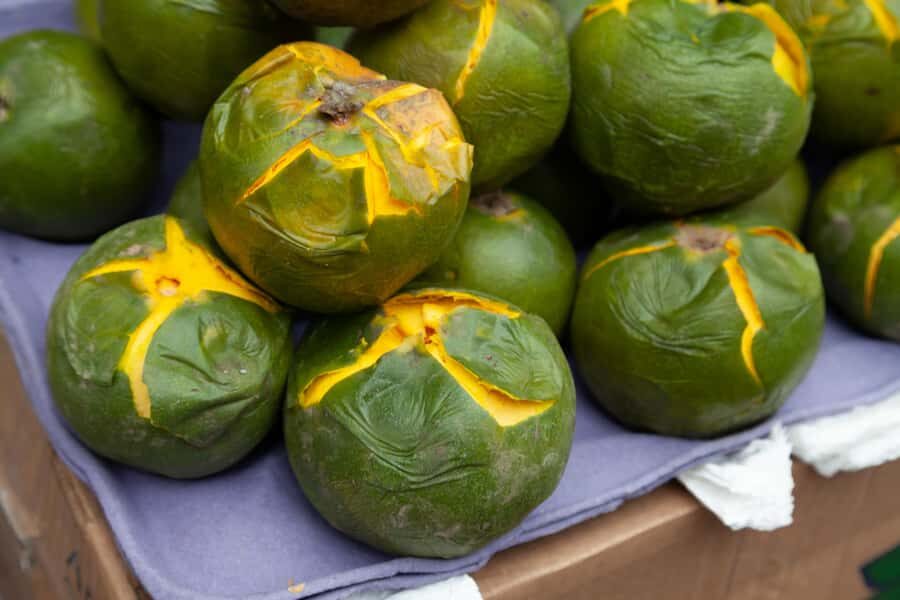
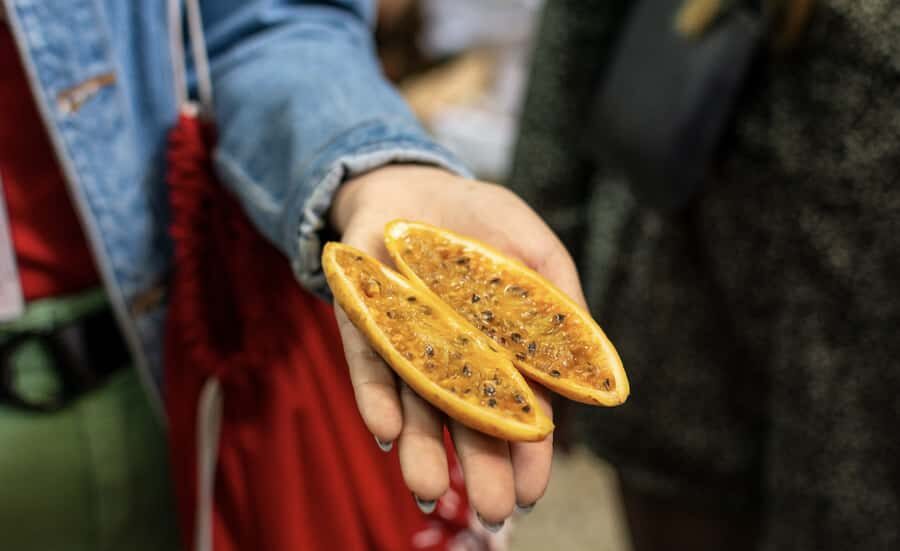
I like the structure here: you don’t just taste at random. Instead, you sample four unique fruits chosen for their cultural significance and their flavor differences. That matters because Peru’s cuisine isn’t built only on “mainstream” ingredients. It’s also built on what people grow locally, what they recognize by season, and what they’ve used for generations.
You’ll also hear vendor-style stories while you walk. The guide shares background on the ingredients you’re seeing, including everyday staples like corn and potatoes, plus the less familiar items that pop up in markets. That gives you a mental map for your future meals in Lima, not just a fun morning or afternoon.
One practical note: market time can mean a lot of standing and moving. Wear comfortable shoes you can stand in for a while. Bring water, even if you think you’ll be fine. Market stops are the kind where “I’m okay” turns into “I’m thirsty” fast.
Other Peruvian cooking classes in Lima
The market fruit tasting: how to taste with purpose
The fruit tasting is one of the simplest parts of the tour, and it’s also one of the most useful. Before you cook anything, you learn how to pay attention. The guide helps you taste four fruits as separate experiences, not as a single “snack.” You get a chance to notice texture, aroma, acidity, sweetness, and how each fruit fits into the broader idea of Peruvian flavors.
This is also a great way to understand the bigger culinary blend Peru is known for. The guide’s stories touch on how Indigenous, Spanish, and Asian influences shaped what ends up on plates today. You don’t need a food degree. You just need to listen for the pattern: different influences, different ingredients, then a local style that ties it all together.
If you’re the type who worries about tasting something you don’t like, don’t. The fruits are selected for distinct tastes, so even if one isn’t your favorite, you’ll learn what the others are trying to teach you.
If you have dietary restrictions or allergies, this part of the tour is where you’ll want to be extra clear with the guide. The tour data notes it isn’t suitable for people with food allergies, so don’t assume you can swap ingredients on the fly.
Ceviche in real life: citrus, timing, and crisp garnishes
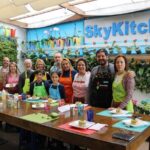
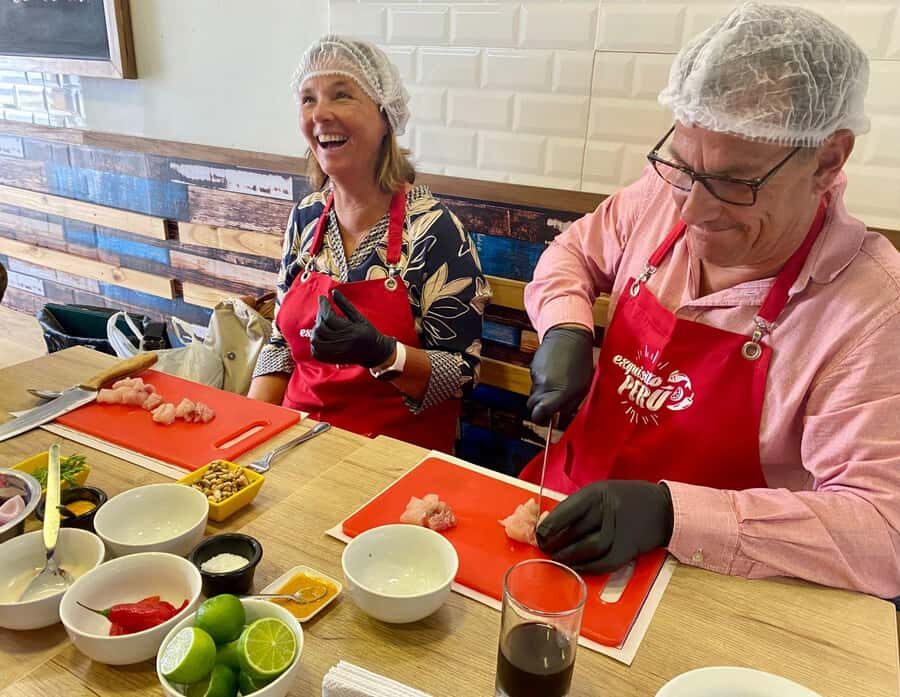
After the market, you’ll head to a restaurant venue for the hands-on cooking class. This is where the experience becomes more than tasting. In the kitchen, you’ll learn to make ceviche, one of Peru’s best-known dishes, from the inside out.
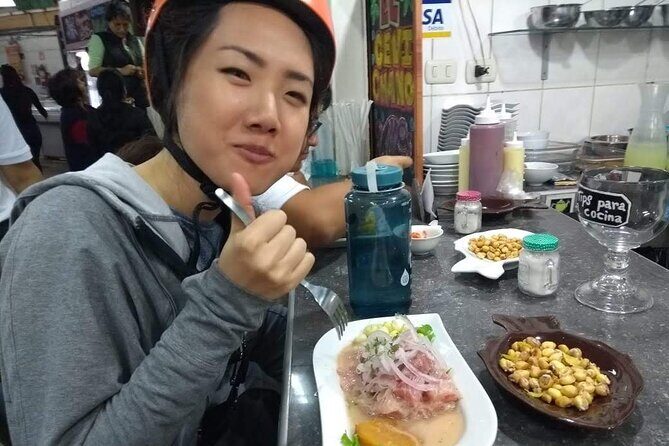
The class covers the core idea: fresh fish marinated in tangy citrus juices, then seasoned with Peruvian spices. The final touch is what makes ceviche feel bright and alive—garnishes like red onions and sweet potatoes, finished so they’re crisp rather than soggy.
What I think is valuable for you here is the “how” behind the flavor. You’re not just eating ceviche; you’re learning how acidity works, how seasoning gets balanced, and why the garnishes aren’t an afterthought. Those details are the difference between ceviche that tastes flat and ceviche that tastes focused.
Even if you’ve never cooked before, the format is designed for beginners. You’ll be guided step by step, and the group size stays small enough that you can ask questions without feeling rushed.
Causa rellena: comfort food with a structure lesson
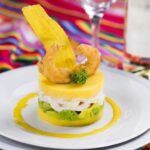
Next up is causa rellena, and it’s a great dish choice because it teaches you technique through structure. The key elements are layers: velvety mashed potatoes as the base, creamy avocado, and a filling of chicken or seafood.
The potato layer is the foundation of the whole dish. You learn how to shape and assemble it so it holds together and looks as good as it tastes. The avocado adds that smooth, creamy “bridge” between the potato and the filling. Then the filling brings the savory punch.
I also like this lesson because it shows you how Peruvian food can be both everyday comfort and detailed craft. Causa rellena isn’t just a meal. It’s an example of how texture matters—smooth vs. layered vs. filled—and how flavor gets carried by those textures.
If you like food that’s satisfying but not heavy, causa is a smart dish to learn. And since you’re making it yourself, you’ll know what to ask for the next time you’re ordering it in Peru.
Pisco sour: shaking the balance between lime and foam
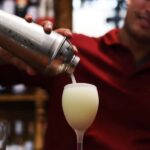
Then comes the fun part: making a pisco sour. This is Peru’s national cocktail, and the class treats it like a real craft, not a quick pour. You’ll learn how to combine pisco brandy with fresh lime, then shake it with egg white so you get that frothy top.
Angostura bitters finish the flavor and keep the cocktail from tasting only citrus-sharp. The balance is the point. Lime brings brightness. Egg white brings smoothness. Bitters bring depth.
If you’ve had pisco sour before but never learned why it tastes the way it does, this is where the light switches on. You’ll understand that it’s not just ingredients—it’s how you prepare them so they mix properly and create the right texture.
And yes, you’ll toast with the pisco sour you make. That moment matters more than you might think. It connects the kitchen work to the actual eating experience, instead of leaving you with a plate that feels disconnected from the drink.
Other ceviche and pisco sour experiences in Lima


Your meal and dessert: what you’ll actually eat
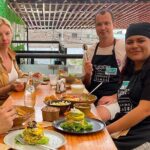
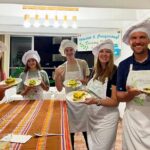
Once the cooking wraps, you sit down and enjoy the fruits of your labor. You’ll eat the ceviche and causa rellena you made, and you’ll drink the pisco sour you mixed. It’s a nice pacing choice: first you learn technique, then you immediately connect that technique to taste.
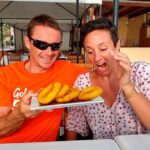
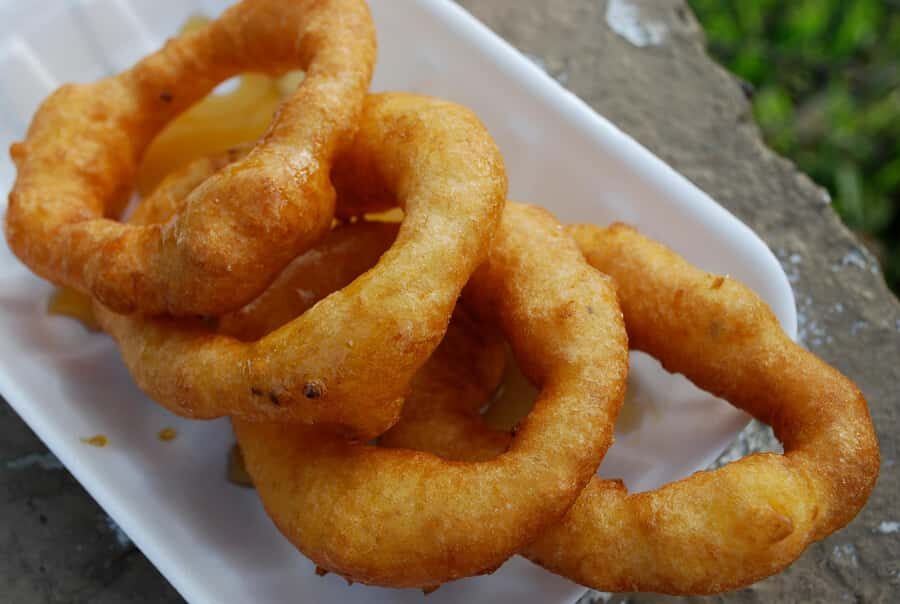
After that, there’s a traditional Peruvian dessert. The tour data gives examples such as arroz con leche (creamy rice pudding) or picarones (served with sweet chancaca syrup). The exact dessert can vary, but the purpose stays the same: end with something sweet and distinctly Peruvian, so the meal feels complete.
If you’re choosing this tour as a first Lima food experience, the dessert component is a good sign. It signals that the class isn’t only about “the headline dishes.” It’s about the full arc of a Peruvian meal.
Price and value for 150 minutes of hands-on food
At $59 per person for about 150 minutes, this tour is priced like a serious half-day experience, not a quick tasting walk. The value comes from what’s included:
- Market tour plus fruit tasting
- Cooking class with a local chef
- Making ceviche, causa rellena, and pisco sour
- Eating what you make plus a Peruvian dessert
That’s a lot of included food for one set of money, especially because you’re not just sampling—you’re learning methods you can repeat. Cooking classes also tend to cost more than market walks, so bundling the fruit tasting and the cocktail lesson helps justify the price.
The main trade-off is the one thing that isn’t included: hotel pickup and drop-off. You’ll need to get yourself to the meeting point. If you’re already staying in Miraflores or nearby, that’s not a big issue. If you’re farther out, build in time to reach the start.
Meeting point reality: where you need to be
Meet your guide just outside the entrance of the Holiday Inn Lima Miraflores hotel on Calle Alfonso Ugarte 117. There’s another entrance on Ricardo Palma Avenue, and that one is not the correct starting spot.
Your guide should be wearing a red lanyard with the Exquisito Peru logo. That visual cue is your friend. Arrive a few minutes early, stand where the hotel entrance lines up with Calle Alfonso Ugarte, and look for that lanyard.
This kind of tour depends on timing. If you’re late, it can be hard to catch up once the group starts moving.
What to bring (so the class feels easy, not annoying)
This is a kitchen-and-market outing, so pack like it’s half food tour, half cooking workshop.
Bring:
- Comfortable shoes (standing and walking are part of the deal)
- Hat and sunscreen (Lima sun can be steady)
- Camera (you’ll want pictures of your ceviche and causa)
- Water
Also wear clothing you’re comfortable in while cooking. You won’t need formal anything, but you should be ready for a hands-on session.
If you’re the kind of person who asks questions, you’ll do well here. The guide uses the market and cooking portions to explain why ingredients matter, not just what to do.
Who should book this cooking class, and who should skip it
This tour is a good fit if you:
- Want an easy entry point into Peruvian food culture without prior cooking experience
- Like learning through doing—tasting first, then cooking, then eating
- Prefer an English-speaking guide in a small group setting
- Want a practical Peru “starter kit”: ceviche, causa rellena, and pisco sour
It’s not a fit if:
- You have food allergies (the tour isn’t suitable for people with food allergies)
- You are pregnant
- You use a wheelchair (the tour isn’t suitable)
If any of those apply, it’s worth looking for a different Lima food experience that matches your needs.
Should you book the Lima Market Tour and Cooking Class?
If you want one experience in Lima that connects market ingredients to classic dishes, this is a strong choice. The biggest plus is the structure: four fruit tastings to start, then three hands-on lessons that end with you eating everything you made and tasting a classic cocktail you mixed yourself.
Book it if you value learning techniques, not just getting fed. Skip it if you need hotel pickup, want a fully seated experience, or have food allergies.
If your schedule is flexible, you may be able to reserve now without paying today and cancel up to 24 hours in advance for a full refund, so you can keep your plan flexible while you lock in Lima nights.
FAQ
How long is the tour?
The tour lasts about 150 minutes.
Is hotel pickup included?
No. Hotel pickup and drop-off are not included.
Where do we meet the guide?
Meet the guide just outside the Holiday Inn Lima Miraflores on Calle Alfonso Ugarte 117. Make sure you use that entrance, not the one on Ricardo Palma Avenue.
How big is the group?
The group is small, limited to 10 participants.
What do we cook during the class?
You’ll prepare ceviche, causa rellena, and a pisco sour.
Is dessert included?
Yes. A traditional Peruvian dessert is included, such as arroz con leche or picarones with sweet chancaca syrup.
Does the tour require cooking experience?
No prior cooking skills are required.
What language is the tour guide?
The tour guide speaks English.
What should I bring?
Bring comfortable shoes, a hat, a camera, sunscreen, and water.
Is it suitable for people with food allergies or who are pregnant?
No. The tour is not suitable for people with food allergies, pregnant women, or wheelchair users.