REVIEW · LIMA
Lima: Peruvian Cooking Class Culinary adventure in Peru
Book on Viator →Operated by IZI PERU · Bookable on Viator
A cooking class in Lima beats Googling. Peru’s food is famous for a reason, and this 3-hour session has you making two of the best-known dishes, plus a national favorite drink. You’ll work through Causa and Lomo Saltado, then finish with Chicha Morada, so you leave with skills you can actually repeat at home.
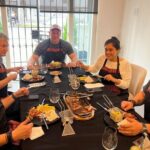
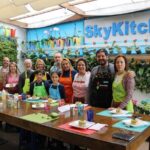
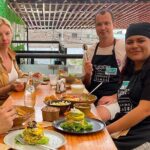
What I love most is the hands-on focus on the cooking itself, not just watching. I also like that the group stays small (max 6), which makes it easier to ask questions and get real help from the chef and guide—plus one review notes they even made a non-meat accommodation with mushrooms.
One thing to consider: the experience is non-refundable and can’t be changed once booked, so make sure your plans are solid before you lock it in.
In This Review
- Key Points at a Glance
- Why This Lima Class Wins: You Cook the Icons
- Price and Value for $72: Small Group, Real Instruction
- The 3-Hour Flow: What Happens From Start to Finish
- Where You Meet in Miraflores: Av. José Larco 724
- Starter: Causa and the Art of Tangy Layers
- Main: Lomo Saltado and Why It’s So Satisfying
- Dessert Drink Moment: Chicha Morada’s Purple-Corn Flavor
- English-Speaking Help and Mobile Ticket Convenience
- What You Learn Beyond Recipes
- Who This Class Fits Best
- Should You Book This Lima Cooking Class?
- FAQ
- FAQ
- Where does the cooking class meet in Lima?
- What dishes will I cook or make?
- How long is the experience?
- Is this offered in English?
- How many people are in the group?
- What is the cancellation policy?
Key Points at a Glance
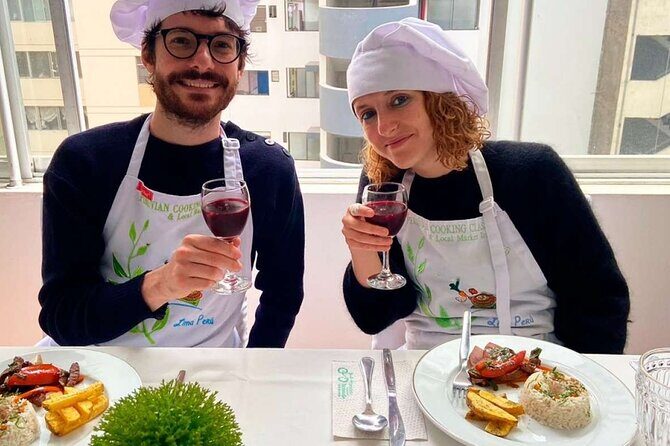
- Small group (max 6) keeps the class practical and interactive
- Starter, main, dessert included: Causa, Lomo Saltado, and Chicha Morada
- English offered, so you can follow techniques and tips clearly
- Miraflores meeting point at Av. José Larco 724 is easy to reach
- One review mentions dietary flexibility using mushrooms for a non-meat diner
Why This Lima Class Wins: You Cook the Icons
Peruvian food can sound like a highlight reel, but this class turns those highlights into actual technique. You’re not just tasting. You’re learning how the flavors come together in the specific dishes people talk about in Peru every day.
The menu is built around three hits:
- Causa (starter) gives you a cool, tangy foundation using yellow potato and bright flavors
- Lomo Saltado (main) teaches you the stir-fry logic behind a dish that’s both satisfying and flexible
- Chicha Morada (dessert + drink moment) shows how Peru uses purple corn, fruit, and warm spices for depth
I like that the class covers a full arc, from chilled starter to hot main, then to a sweet-spiced finish. It’s a simple structure, and it makes the food easier to remember when you’re back home.
Other Peruvian cooking classes in Lima
Price and Value for $72: Small Group, Real Instruction
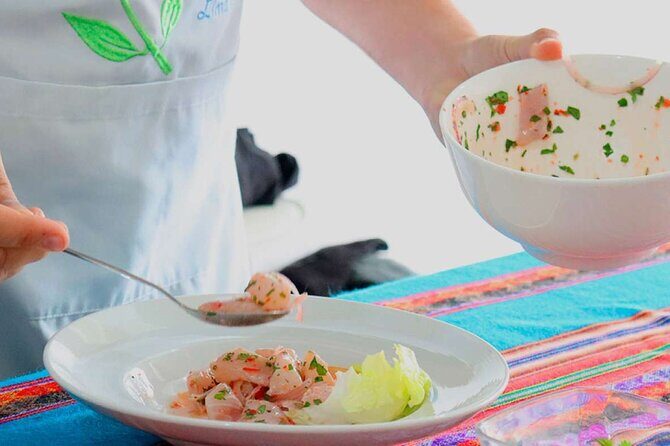
At $72 per person, this is not a budget “walk-in and snack” kind of activity. The value comes from what you actually do during the 3 hours. You cook two major dishes and make a third item that’s part drink, part dessert conceptually.
A few things make the price feel more reasonable:
- Max 6 travelers means the instructor time per person is higher than big-group classes
- You’re working on popular, recognizable recipes rather than obscure demos
- The menu includes ingredients that create a full meal experience (not just one bite)
You also see practical value in the service style. Reviews highlight clear communication and strong guide support—exactly what you want when you’re learning techniques you might not have encountered before.
The 3-Hour Flow: What Happens From Start to Finish
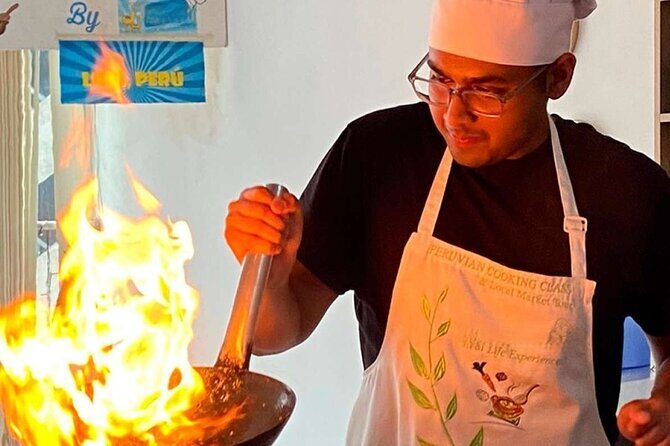
The class lasts about 3 hours, and it’s paced like a real cooking session, not a museum tour with a kitchen budget.
Here’s how the time typically makes sense:
- Starter time: you build and portion Causa, which is more about texture and flavor balance than brute heat
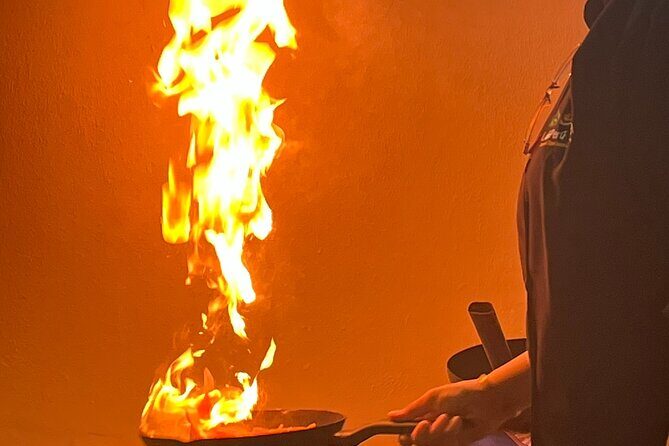
- Main time: you move to Lomo Saltado, where stir-frying and timing matter
- Finish: you wrap with Chicha Morada, mixing purple corn, fruit, lemon, and spices into something you’ll want to savor slowly
Even if you don’t consider yourself a confident home cook, this sequence helps. You start with something that’s easier to manage and then you move into the action dish. You end with a drink that feels festive and uniquely Peru.
Where You Meet in Miraflores: Av. José Larco 724
You’ll meet at Av. José Larco 724, Miraflores 15074, Peru, and the activity ends back at the meeting point.
A couple practical notes that matter in real life:
- It’s near public transportation, so you’re less likely to spend your whole morning figuring out the last mile
- Since it starts in Miraflores, you can usually combine it with other neighborhood plans without fighting the timetable
If you’re the type who likes arriving early (smart), give yourself a little buffer. Cooking classes move with the crew’s pace, and you’ll feel less rushed.
Starter: Causa and the Art of Tangy Layers
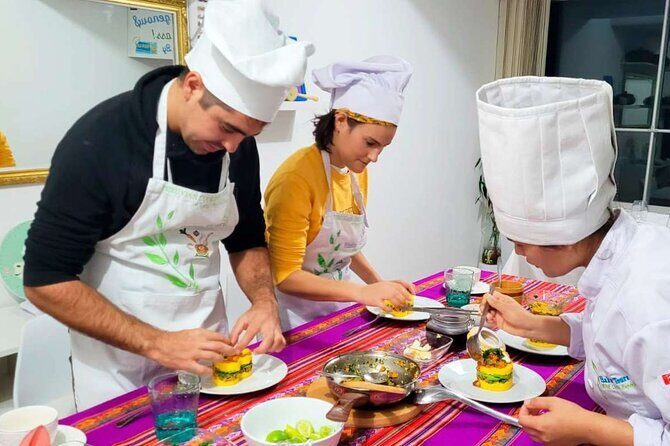
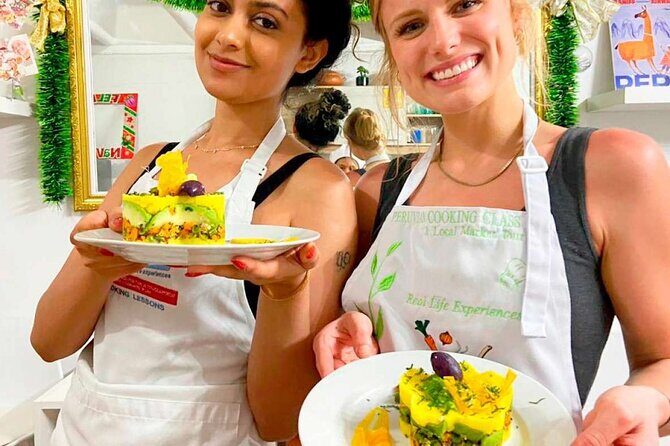
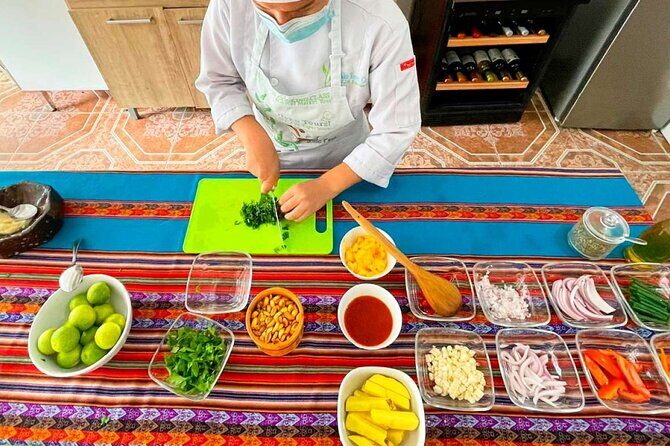
Your starter is Causa, a dish built on yellow potato with pepper and lemon, plus fillings that can vary.
Even without getting too technical, the key learning here is how Peru handles flavor balance:
- Potato provides a soft base and helps the filling feel cohesive
- Lemon brings brightness
- Pepper adds a gentle heat and lift
The class description notes fillings can range from chicken and tuna to seafood. And one review mentions they made an adjustment for a diner who doesn’t eat meat by using mushrooms. That’s a good sign if you have restrictions: at least in some cases, the kitchen is willing to swap in a believable alternative rather than just offering a plain plate.
Drawback to think about: if you’re expecting a single fixed filling every time, you should treat the menu as a flexible template. The core experience—causa-style potato base with bright flavors—stays the same, but the exact filling may vary.
Other cooking classes in Lima

Main: Lomo Saltado and Why It’s So Satisfying
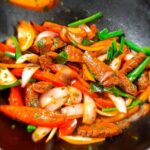
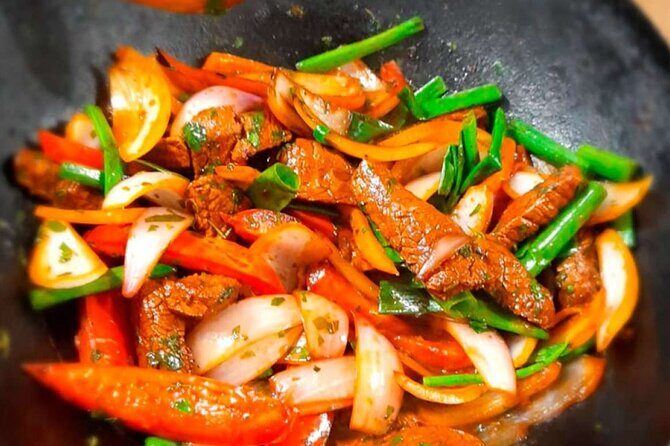
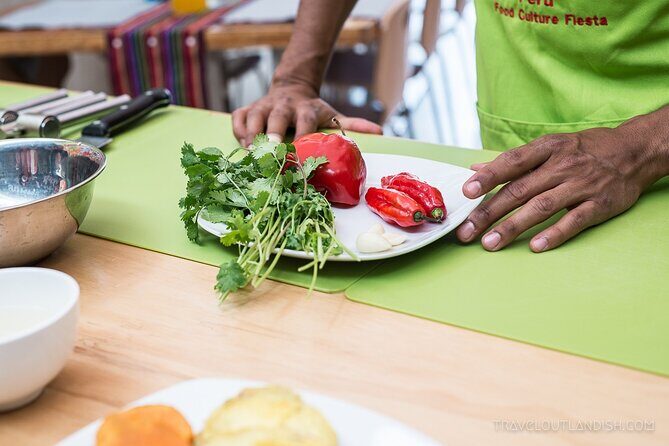
Next comes Lomo Saltado, where you’ll learn the stir-fry rhythm behind a crowd favorite. The class focuses on:
- stir-fried beef
- onion, tomatoes
- chili peppers
- served traditionally over French fries and accompanied by rice
What I like about this dish is how it balances contrast:
- You get soft, savory meat with sharp vegetables
- Chili peppers add the heat that makes the whole thing feel alive
- The fries-and-rice pairing adds that comforting, filling payoff
Even if you’ve had Lomo Saltado before, cooking it helps you understand why it tastes the way it does. It’s not one secret ingredient—it’s the method. Quick heat, quick sauce, and the right timing so the vegetables don’t turn into sad mush.
If you need non-meat options, remember what the menu says: the dish is traditionally beef-based. The one accommodation note in the reviews used mushrooms for a non-meat diner, so it’s worth asking what swaps they can handle for your dietary needs. Don’t assume every substitution will match the exact dish structure, but it’s good to know flexibility can happen.
Dessert Drink Moment: Chicha Morada’s Purple-Corn Flavor
You end with Chicha Morada, Peru’s national drink. In this class, you’ll learn the mix:
- purple corn
- pineapple
- lemon juice
- cinnamon
- cloves
This is the part people often overlook when they think about cooking classes: a drink can teach you a lot about local flavor logic. Here, the flavors are warm and fruit-forward, with spices that feel cozy rather than heavy.
Why this works as a final course:
- It cools down the intensity after the main dish
- It gives you something different from the usual soda or juice
- It tastes like Peru, even if you only visit once
If you’re someone who likes drinks with a bit of spice, you’ll probably enjoy the cinnamon-and-clove combination. It’s not just sweet; it’s aromatic.
English-Speaking Help and Mobile Ticket Convenience
This experience is offered in English, which matters more than people think. Cooking has a lot of small steps—timing, texture, flavor adjustments—and clear language helps you actually learn, not just follow.
Two small logistics pieces that improve the experience:
- You get a mobile ticket
- You receive confirmation at booking time
That’s helpful if you’re juggling multiple plans in Lima. Less last-minute scrambling, more time focused on the kitchen.
Also, the class is capped at 6 travelers, which usually means you’re not shoved into a corner. You get space to work and ask questions.
What You Learn Beyond Recipes
This kind of class is valuable even if you never cook these exact dishes again. You’re picking up transferable skills, especially:
- How to balance acidity (lemon-forward flavors in Causa)
- How vegetables behave in stir-fry-style cooking (Lomo Saltado)
- How spice and fruit can work together in drinks (Chicha Morada)
And it helps that the dishes are widely recognized. That means you’re learning recipes with built-in context. You can talk about them later without needing a translator for the food story.
Who This Class Fits Best
This is a strong choice if you:
- want a hands-on food experience in Lima, not just a tasting
- like Peru’s big-name dishes and want to learn what makes them work
- prefer smaller groups where you can actually get answers
- care about clear instruction in English
It’s also a reasonable pick if you’re traveling with friends who have different comfort levels in the kitchen. The format is structured: starter, main, drink finish. Everyone can participate, and the meal feels complete.
If you have dietary needs, don’t panic—but do plan to communicate them. One review notes an accommodation using mushrooms for a non-meat diner. That suggests the kitchen may adapt, but it also means you should check specifics when you book.
Should You Book This Lima Cooking Class?
Yes, I’d book it if you want a compact, high-impact experience that covers a full Peru meal: Causa, Lomo Saltado, and Chicha Morada. The small group size and the strong service feedback are exactly what you hope for in a cooking class. Plus, the $72 price becomes easier to justify when you think about three items made in a real kitchen, not a one-bite sample.
I’d hesitate only if your schedule is fragile, because the experience is non-refundable and can’t be changed. If your plans are steady, this looks like a smart way to spend a half-day in Lima and come away with skills you’ll actually remember.
FAQ
FAQ
Where does the cooking class meet in Lima?
The meeting point is Av. José Larco 724, Miraflores 15074, Peru, and the class ends back at the same meeting point.
What dishes will I cook or make?
You’ll cook Causa (starter), Lomo Saltado (main), and make Chicha Morada (served as the national drink).
How long is the experience?
The cooking class lasts about 3 hours.
Is this offered in English?
Yes, the experience is offered in English.
How many people are in the group?
The class has a maximum of 6 travelers.
What is the cancellation policy?
This experience is non-refundable and cannot be changed for any reason. If you cancel or request an amendment, the amount paid will not be refunded.