REVIEW · LIMA
Machu Picchu, Cusco & Lima 7-Day Tour
Book on Viator →Operated by Viagens Machu Picchu · Bookable on Viator
Machu Picchu feels close on this planned route. I like the way this trip handles Machu Picchu logistics for you, including guided entry time at the site and the round-trip bus from Aguas Calientes. I also like the altitude-smart start in Cusco, including the stop for Coca tea, so you can ease in before the big day. One drawback: the schedule is packed, so if you crave lots of free time to wander solo, you may feel a bit on-the-clock.
The big confidence boost here is the human support. There’s 24-hour assistance in Spanish and English, and the feedback style you’ll see from their team often names specific helpers like Bryan and Alicia for follow-through, plus guides such as Walter Diaz, Shaman Manuel Jesus, and Pamela for on-the-ground attention. With a maximum group size of 17, you get the structure of a group without feeling swallowed by it.
In This Review
- Key Things That Make This Tour Work
- A 7-Day Route That Connects Lima, Cusco, and Machu Picchu
- Day 1 in Lima: Arrival, Hotel Check-in, and a Simple Game Plan
- Day 2 Lima Historic Center, Santo Domingo, and Miraflores Coast Views
- Day 3: Flight to Cusco, Airport Transfers, and Coca Tea for Altitude
- Day 4 Cusco’s Big Inca Sites: Qorikancha, Cathedral, Sacsayhuaman, and More
- Day 5 Sacred Valley Stops: Alpacas, Pisac Ruins and Market, Ollantaytambo, Train to Aguas Calientes
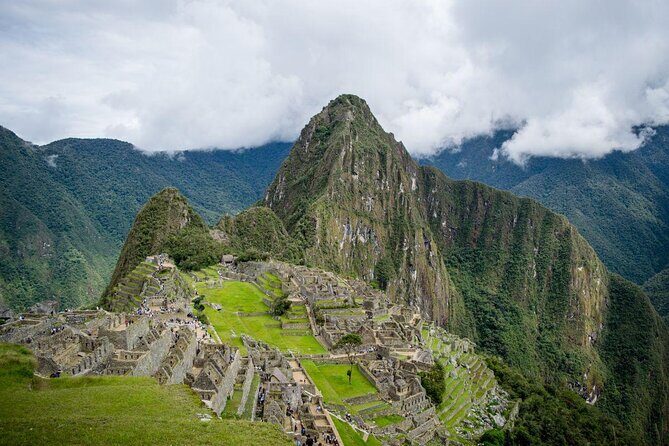
- Day 6 Machu Picchu by Bus: Guided Entry, Big Views, and the Return Plan
- Day 7 Departure Day: Cusco Airport Transfer with Early Timing
- Price and Value: What You Get for $1,311 Per Person
- Guides and Organization: Punctual, Human, and Built Around You
- Altitude, Weather, and Pacing: How to Make This Trip Feel Good
- Who This Tour Suits Best (And Who Should Look Elsewhere)
- Should You Book This Machu Picchu, Cusco & Lima Tour?
- FAQ
- What is included in the price?
- What is not included?
- Are flights between Lima and Cusco included?
- How big is the group?
- Does the tour include Machu Picchu entrance and transport?
- How many breakfasts are included?
- What language support is available?
- What happens if weather cancels the Machu Picchu portion?
- Can I get a refund if I cancel?
Key Things That Make This Tour Work
- Guided Inca and colonial highlights across Cusco, Sacred Valley, and Machu Picchu
- Machu Picchu bus + entrance included from Aguas Calientes, so you’re not piecing it together
- Cusco acclimatization-friendly pacing, including Coca tea and multiple days in town
- Historic Lima with local focus, from Plaza de Armas to Santo Domingo and Miraflores viewpoints
- Sacred Valley mix of sites and local life, including Pisac ruins and the Pisac artisan market
A 7-Day Route That Connects Lima, Cusco, and Machu Picchu
This is a well-wired route that strings together three different “worlds” in Peru: Lima’s colonial core and Pacific coast neighborhoods, Cusco’s Inca-meets-Spanish city centers, and the Sacred Valley-to-Machu Picchu journey that most people dream about.
The value is in the connections. You’re not just buying hotel nights and entrance fees; you’re also buying the day-to-day timing that can otherwise turn stressful: airport transfers, guided city walks, and the train/bus rhythm that gets you from Cusco area up to Machu Picchu.
The other practical win is that the route includes enough time in Cusco to matter. You’re not rushing straight from sea level to the heights without a buffer. You’ll still want to move sensibly and take altitude seriously, but the itinerary is built with that in mind.
Other multi-day Peru and Machu Picchu tours from Lima

Day 1 in Lima: Arrival, Hotel Check-in, and a Simple Game Plan
Your tour starts at Jorge Chávez International Airport. After landing, you’re met by the team and taken to your hotel, then you get a clear explanation of what’s coming next based on your package.
This first day is purposely light. You’ll likely be tired from travel, and the tour’s message is: rest first, then explore. In practical terms, it’s the kind of arrival setup that helps you avoid the classic Peru mistake—going hard on day one and paying for it later.
You’ll also get local orientation: where to eat, what to check out nearby, and how to handle basic errands like shops and exchange offices. If you like feeling organized before you hit the streets, this day sets a good tone.
Day 2 Lima Historic Center, Santo Domingo, and Miraflores Coast Views
Day two is where Lima stops feeling like a waiting room and starts feeling like a place.
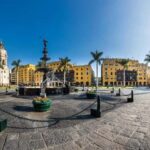
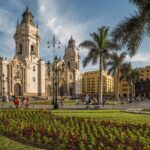
Plaza de Armas (Plaza Mayor) is your starting anchor. It’s the heart of the Historic Center, ringed by major landmarks like the Government Palace and the Cathedral of Lima. Even if you’re not a “church person,” this is a useful orientation point because it gives you a geographic and historical center you can keep using as you walk.
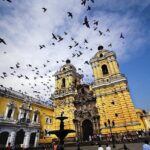
Next comes the Basilica and Convent of Santo Domingo. Construction began in 1578 and took decades, and the complex is known for colonial architecture. The standout angle is that it houses remains of major Peruvian saints, including Santa Rosa de Lima and San Martín de Porres, which gives you a stronger sense of why people have long treated this place as spiritually important.
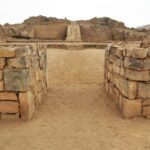
After that, you switch gears to the Miraflores district. You’ll visit Huaca Pucllana, one of Lima’s huacas, dated roughly to 200–700 A.D. It’s a reminder that Lima isn’t only Spanish-era stone—it has older layers right inside the modern city.
Then you end with sea-view calm: Parque del Amor with its ceramic benches and the famous sculpture El Beso by Victor Delfin, plus Kennedy Park, known for caring for stray cats through the municipality and non-profits. If you want one day in Lima that feels local (not only postcard), this is it.
Day 3: Flight to Cusco, Airport Transfers, and Coca Tea for Altitude
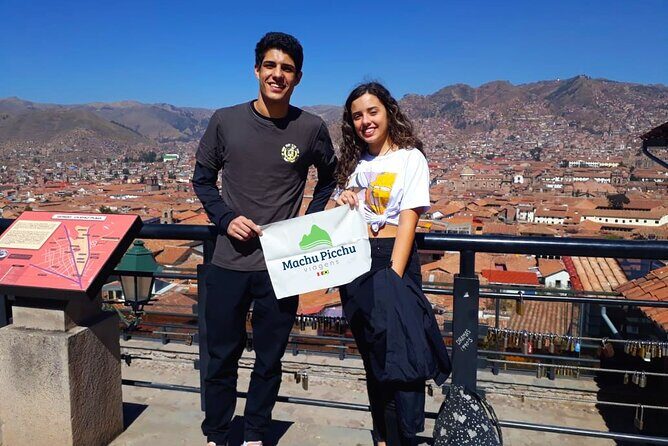
Day three is about getting to the real heart of the trip: Cusco.
The itinerary assumes a Lima-to-Cusco flight schedule. The important practical point is this: your airfare is not included, but the tour does include the airport transfers and timing support so you don’t have to figure out logistics while juggling altitude later.
Once you land in Cusco, you’ll be taken to your hotel. Then comes a key detail: you’ll be encouraged to try coca tea, which is widely used in Peru for altitude comfort. It’s not a magic cure, but it can make the first day in the high Andes feel more manageable.
You’ll also get a Cusco map and guidance on sights, restaurants, exchange offices, and shops. I like this because it helps you make smart choices if you want to add your own small detours around the group schedule.
Day 4 Cusco’s Big Inca Sites: Qorikancha, Cathedral, Sacsayhuaman, and More
This day is Cusco’s “greatest hits,” and it’s structured in a way that keeps you moving through different types of sites: sacred Inca spaces, Spanish colonial overlay, and massive stone fortress engineering.
You start at Qorikancha, the so-called Temple of the Sun. It’s the principal worship center of the Inca culture, and you’ll see how a Catholic church was built on top of Inca settlements. That overlay is one of the clearest ways to understand what happened when the Spanish arrived: not just replacement, but stacking cultures on the same sacred ground.
Then you visit Cusco Cathedral, a colonial baroque building whose foundations sit on ancient Inca palace structures. It’s a good one-two pairing with Qorikancha because it shows the same idea—Inca stone beneath Spanish architecture—without requiring you to be an expert.
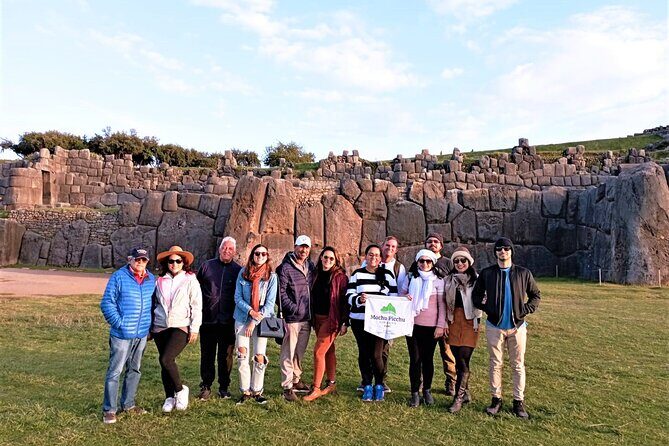
After that, the focus turns to scale and engineering. Sacsayhuaman is next, known for megalithic walls that survived earthquakes, with stones measured up to about 5 meters and weighing over 120 tons. Even if you’ve seen photos, being close to that stone mass changes how you picture the Inca.
You continue with Q’enqo, a ceremonial center linked to ritual and sacrifice. Then Puka Pukara, a fortress-like site believed to have served military and administrative roles. Finally, Tambomachay, famous for Inca hydraulic engineering, including irrigation channels and water fountains that still provide water.
This is an intense day, but it’s also one of the best reasons to choose this particular style of tour: you’re not just ticking off names—you’re seeing how Cusco’s power structures worked, from worship to defense to infrastructure.
A few more Lima tours and experiences worth a look




Day 5 Sacred Valley Stops: Alpacas, Pisac Ruins and Market, Ollantaytambo, Train to Aguas Calientes
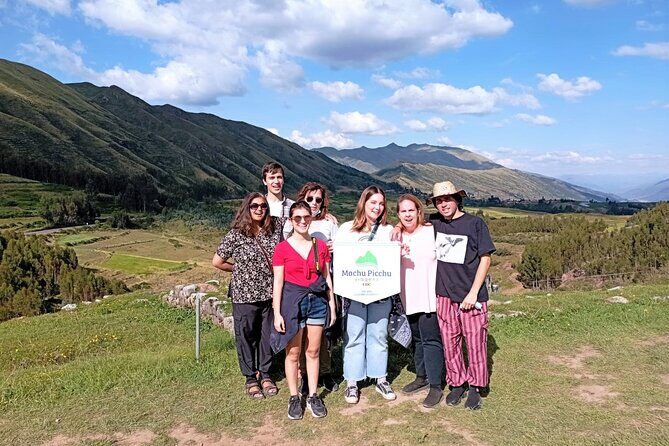
Day five is where Cusco’s city magic becomes a countryside story. The Sacred Valley is an easier world to travel through than you might expect, and this day gives you a strong mix: animals, ruins, local shopping, food, and the town that sets you up for Machu Picchu.
You start at Awana Kancha, an animal shelter and textile exhibition featuring alpacas, llamas, and vicuñas. If you like Peru beyond monuments, this helps you connect the region’s animals to the textile traditions you’ll see later in the day.
Next is Parque Arqueologico Pisac at about 3,300 meters—so yes, still high, but rewarding with big views. Then you get the Pisac Artisan Market, one of the larger local markets in the region, where artisans sell handmade pieces.
For lunch, you’ll be in Urubamba, with a buffet-style meal at Tunupa Restaurant by the river sound. This is one of those practical inclusions that matters on a long day. When lunch is built in, you don’t lose time searching for something good while also trying to keep energy up.
The afternoon includes Ollantaytambo. You’ll explore the town’s cobbled streets and Inca drainage system, then the Ollantaytambo archaeological park. It’s also known as the place that defeated the Spanish army for almost 50 years, which gives the site a real sense of resistance rather than only ruins.
After Ollantaytambo, you board the train to Aguas Calientes, the mountain town in the middle of the action. You’ll have a night there at a 3-star hotel, which is a good practical choice because it positions you for Machu Picchu the next morning without an all-night scramble.
Day 6 Machu Picchu by Bus: Guided Entry, Big Views, and the Return Plan
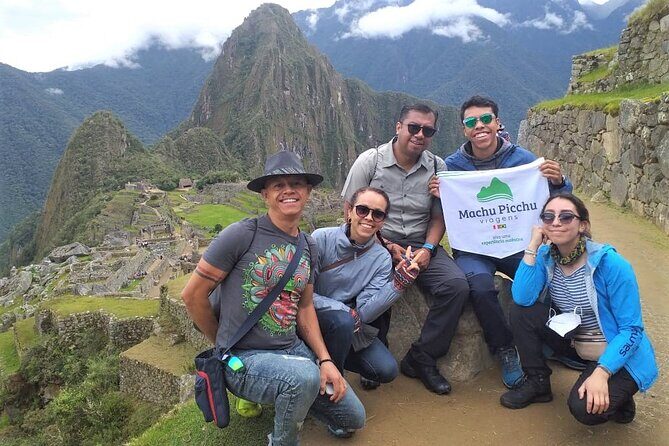
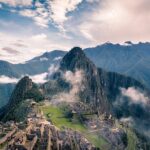
This is the day you actually booked for.
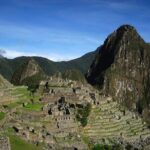
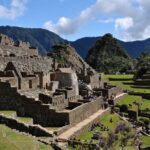
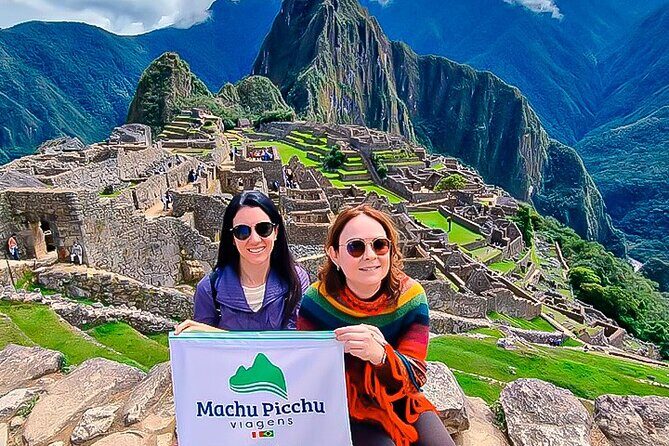
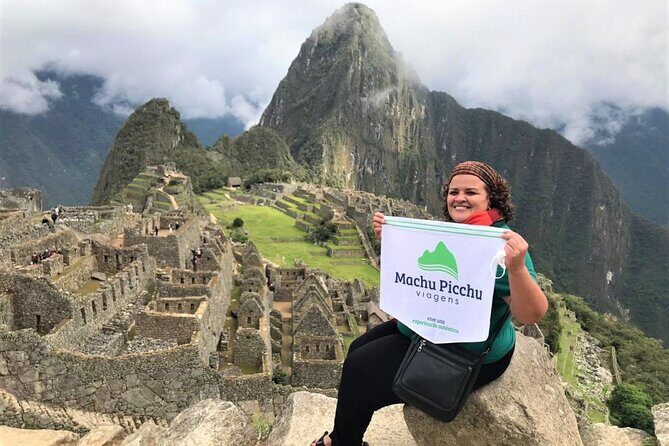
You’re picked up from your Aguas Calientes hotel in the morning and taken by bus to Machu Picchu’s main entrance. The bus ride is about 30 minutes. Your professional guide then gives you context on what you’re seeing—mysteries and fascinating Inca facts—while you’re on-site.
After your time at Machu Picchu, you go back down to Aguas Calientes. Then the tour returns you toward Cusco: you take the train to Poroy Train Station, which is around 30 minutes from Cusco, and then the team transfers you back to your hotel.
Here’s what I’d focus on as a realistic expectation: Machu Picchu is not a place where you should rush. The guide’s job is helpful here because it adds meaning to the arrangement of buildings and terraces, so you see more than shapes on a screen.
Also, remember the weather requirement. Machu Picchu is picky. If the day is canceled due to poor weather, you’ll be offered a different date or a full refund (that part matters when you’re planning around limited travel time).
Day 7 Departure Day: Cusco Airport Transfer with Early Timing
On day seven, your team meets you at the hotel to transfer you to the airport about 2 hours before your flight departure. This is simple, but it’s the difference between calmly leaving and racing because of lineups or last-minute issues.
This is also your final day of service. After that handoff, it’s your responsibility for anything beyond transfers, like your own flight plan and what happens next.
If you tend to like clean endings to tours, this kind of departure routine is a relief.
Price and Value: What You Get for $1,311 Per Person
At $1,311 per person, the main question is value: what are you really buying?
This tour includes:
- Hotel nights: 2 nights in Lima, 3 nights in Cusco, and 1 night in Aguas Calientes (3-star)
- Entrance tickets for the archaeological sites on the itinerary
- Round-trip bus Aguas Calientes to Machu Picchu
- Round-trip train to Aguas Calientes
- Private transfers to airports on each destination change
- 24-hour assistance in Spanish and English
- Lunch and breakfast (6)
What’s not included:
- Travel insurance
- Plane tickets (national and international)
- Food and drinks not mentioned
- Personal expenses
So you’re paying for the “hard parts” of Peru logistics: housing, major site admissions, and the train/bus chain that gets you to Machu Picchu. If you tried to price this out on your own—especially the train segment and the site entrances—the bundled approach often ends up feeling fair rather than inflated.
The price is also easier to stomach if you value certainty. The schedule is structured, and the team is there if something goes wrong.
Guides and Organization: Punctual, Human, and Built Around You
The strongest praise pattern in the feedback is about how smoothly things run. People describe everything as organized, with punctual timing and staff that coordinate well across the different legs of the trip.
You’ll also notice guide-specific appreciation. Names that come up include Walter Diaz, Shaman Manuel Jesus, Pamela, and others. The point isn’t celebrity; it’s that the guides are described as attentive and committed, not just reading facts off a sign.
The support also gets called out as responsive, including help with delays and communication needs. Even if you don’t speak Spanish, you should be able to get support through the Spanish and English assistance channel.
Finally, group size matters. With a maximum of 17 travelers, you’re more likely to get attention when you need it, especially on days packed with multiple stops.
Altitude, Weather, and Pacing: How to Make This Trip Feel Good
This tour is not physically extreme in the sense of multi-day trekking, but it does involve altitude and busy sightseeing. That’s why the pacing in Cusco helps.
- In Cusco, take your first day gently. Drink water, move slowly the first hours, and use the Coca tea option.
- On the Sacred Valley day, keep an eye on energy. It’s a long day of sites and a market, then a train ride up to Aguas Calientes.
- On Machu Picchu day, plan for a sensory overload. You’ll be bused up in the morning, then guided through the key areas, then brought back down.
Weather is the big wildcard. Since the experience requires good weather, plan to be flexible. If things get canceled due to poor conditions, you’ll have alternatives or a full refund.
Who This Tour Suits Best (And Who Should Look Elsewhere)
This tour fits you if:
- You want guided sightseeing at major sites rather than figuring out everything alone
- You care about getting to Machu Picchu with fewer logistics headaches
- You like the mix of city life (Lima and Cusco) plus Sacred Valley culture and markets
- You want a comfortable hotel base instead of a shoestring setup
It may not fit you if:
- You want total freedom to choose your own stops and pacing
- You’re hoping for lots of downtime each day
- You’re sensitive to fixed schedules and would rather build a custom Peru route
Should You Book This Machu Picchu, Cusco & Lima Tour?
Yes, book it if you want a structured route that covers Lima, Cusco, and Machu Picchu with the key connections handled—train to Aguas Calientes, the bus up to the entrance, and the major archaeological admissions. The best reason is peace of mind: airport transfers, 24-hour support, and professional guides keep you from spending your trip solving logistics.
I’d only hesitate if your priority is maximum independence or you need lots of unplanned free time every day. Also keep your travel dates in mind, since Machu Picchu depends on weather and the experience is set up as non-refundable for changes in most cases.
If you’re aiming for the “right balance” of guidance, comfort, and the big sites, this one is a strong choice.
FAQ
What is included in the price?
The tour includes lunch, 2 hotel nights in Lima, 3 hotel nights in Cusco, and 1 night in a 3-star hotel in Aguas Calientes. It also includes entrance tickets for all archaeological sites, round-trip bus tickets between Aguas Calientes and Machu Picchu, round-trip train tickets to Aguas Calientes, private airport transfers on each destination change, and 24-hour assistance in Spanish and English. Breakfast is included for 6 days.
What is not included?
Not included are travel insurance, plane tickets (national or international), food and drinks not mentioned in the inclusions, and personal expenses.
Are flights between Lima and Cusco included?
No. National and international plane tickets are not included, but the tour does include private transfers to the airport at each destination change.
How big is the group?
The experience has a maximum of 17 travelers.
Does the tour include Machu Picchu entrance and transport?
Yes. Entrance tickets for archaeological sites are included, and you have round-trip bus tickets from Aguas Calientes to Machu Picchu. Train tickets to Aguas Calientes are also included.
How many breakfasts are included?
Breakfast is included for 6 days.
What language support is available?
There is 24-hour assistance in Spanish and English.
What happens if weather cancels the Machu Picchu portion?
If it’s canceled due to poor weather, you’ll be offered a different date or a full refund.
Can I get a refund if I cancel?
This experience is non-refundable and cannot be changed for any reason, meaning cancellations do not get a refund.